
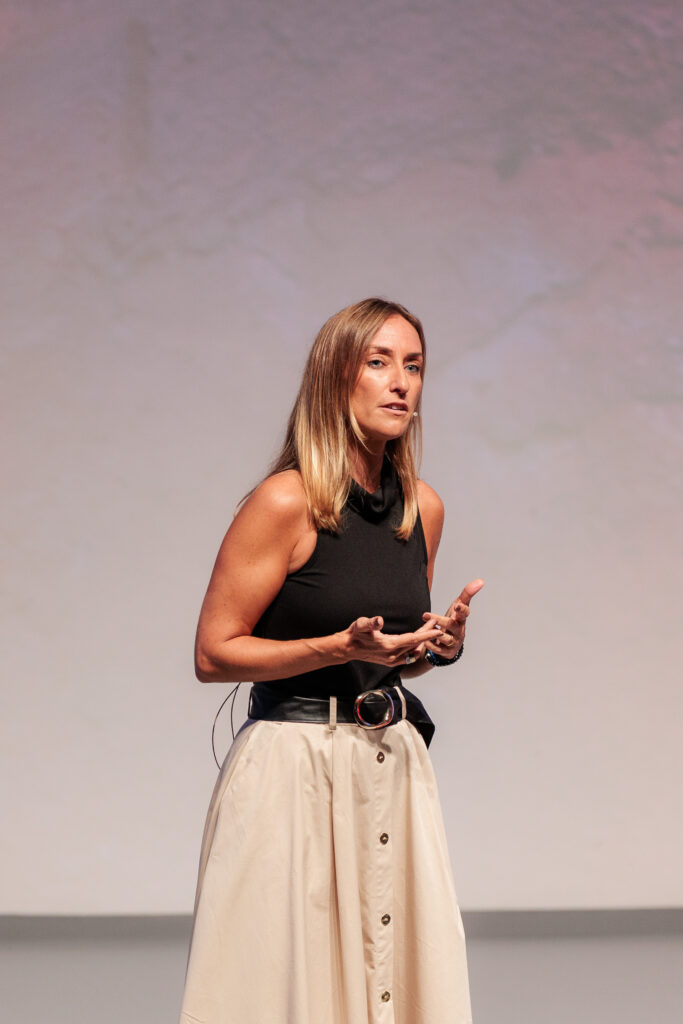
Reading Is How We Become Better People. Silvia Pazos Rodríguez, the Woman Behind Book 2.0
How would you introduce yourself beyond the titles and accomplishments? Who is Silvia at her core?
I am a human leader and an advocate for change who loves to build rooms where the right conversations happen, connecting people with a higher mission who actually mean what they say. I’m driven by a kind of restless curiosity: about stories, about people, about the mind, about why some ideas take root and others don’t. I care less about performance and more about authenticity, less about noise and more about real impact. At my core, I think I’m an awakener: someone who believes potential is usually already there, just waiting to be named and taken seriously.
What is the first book you remember loving, and who put it in your hands?
Love in the Time of Cholera by Gabriel García Márquez, put in my hands by my elementary school teacher back in the 80s. It was my first great love as a reader. The book shows that hope doesn’t have an expiration date, that love can wait fifty years and still arrive whole, as everything else in life. That single idea has stayed with me longer than I expected. Never give up, never lose faith.
What has success come to mean at this stage of your journey? Has that definition evolved from earlier in your career?
Success to me was never the next title, the next stage, the next thing to build. Early on, I measured it in visibility, in recognition. More than twenty years in, it’s quieter than that. For me success now is watching someone or something become more themselves, being genuine and authentic, real. If I leave something more meaningful than I found it, that’s success.
If I leave something more meaningful than I found it, that’s success.
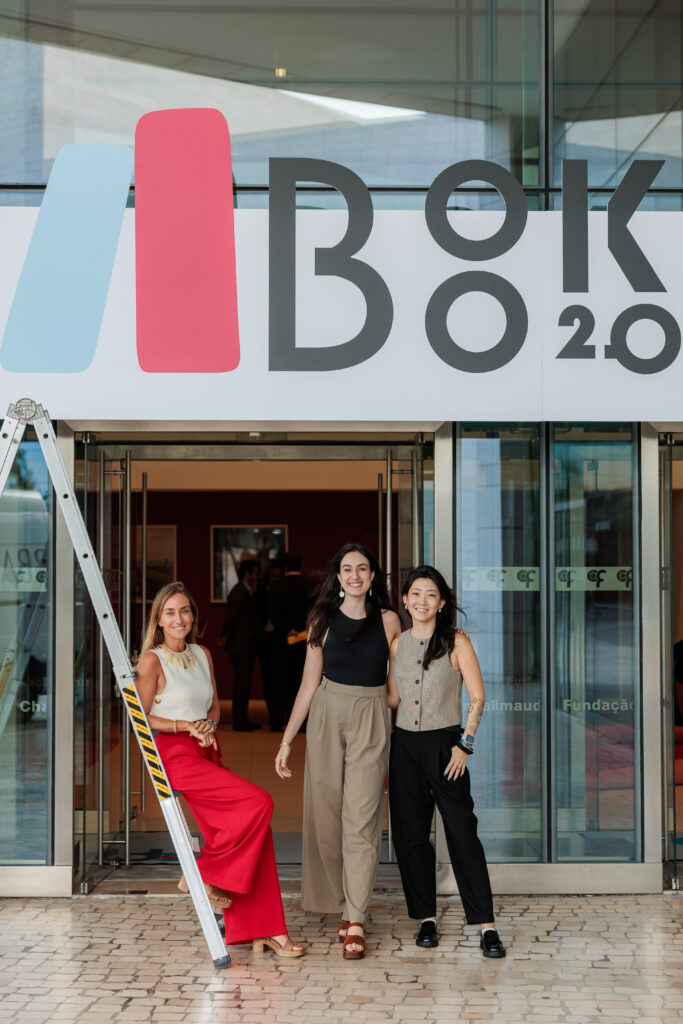
Book 2.0 fills the Centro Cultural de Belém for two days in September. Walk us through what the other months look like. The actual days, not the version for a website.
Two days is the finale. What comes before is a year of building something from scratch, every single time, because we never just repeat the previous edition, we rebuild it, better. Sometimes it means real frustration: chasing speakers, rewriting programmes, pushing back until the ambition matches the mission. And the mission isn’t just to gather people who already love books, that’s easy, it’s to reach the ones who don’t, and remind society that reading isn’t a hobby, it’s how we become better people, together. That’s what the other ten months are actually for.
Reading isn’t a hobby. It’s how we become better people, together.
What is harder than people imagine about bringing hundreds of people into one place to talk about the future of reading, and what is easier?
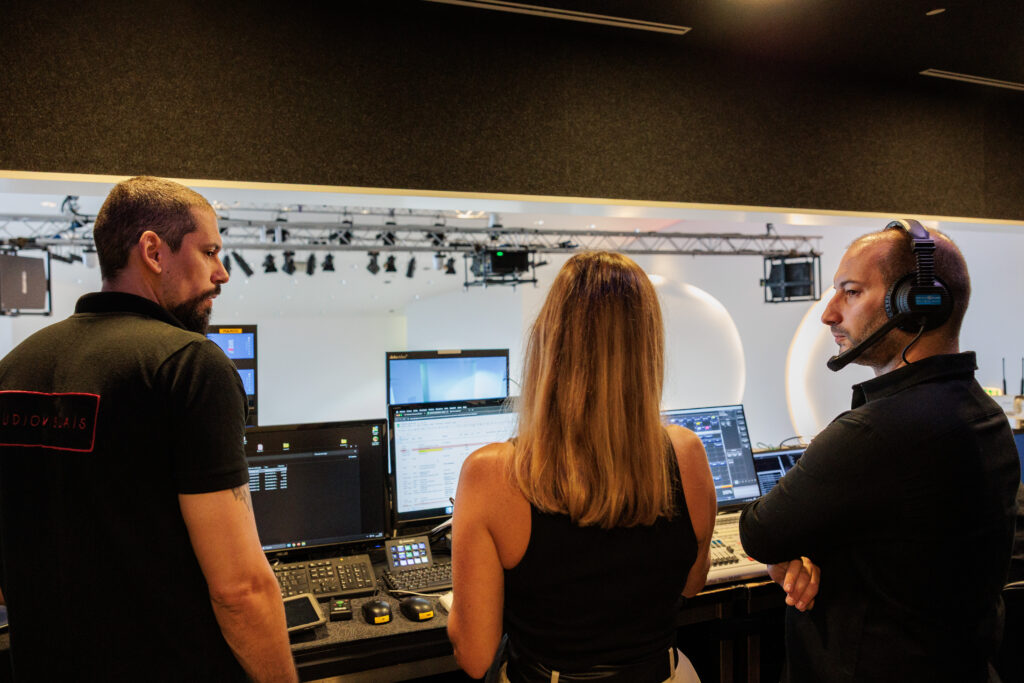
What’s harder than people imagine is everything invisible before those two days even start: detailed plans that get rebuilt a dozen times, long meetings that don’t look like progress and then suddenly do, keeping everyone connected and engaged so the community stays strong. The truth is, we’re not just organising an event, we’re competing for two days of someone’s attention in a place that never runs out of interesting alternatives. Cutting through that noise, in September, in Lisbon, that’s the actual challenge.
What’s easier, honestly, is finding the speakers. Three editions in, Book 2.0 has a track record now. People know what it is and what it stands for. And Lisbon itself has become the argument for us: it’s the place to be right now.
What are you reading at the moment, and what is it evoking in you?
Right now I’m reading Cara Hunter’s latest, Making a Killing. It’s crime fiction, but what stays with me isn’t the plot, it’s the pattern underneath it. Book after book, story after story, the victims are so often the same: women, children. And you start to notice it’s not fiction inventing that pattern, it’s fiction reflecting something real, something structural, that keeps repeating itself across cultures and decades, and that people love to read.
Reading it, I keep thinking about the deeper root, misogyny, the way violence against women and children isn’t an anomaly in these stories but almost the default setting. That’s what stays with me long after I close the book: not who did it, but why it always looks like this.
This edition asks what the future of reading looks like. What conversation do you wish the book world were having that it has not yet started?
What hasn’t started yet is the conversation about collaboration, not competition. The world tends to treat every player as fighting for the same limited attention. But facing AI and the digital world, none of us can protect reading alone. We’re more connected in this mission than we act like we are, and the real future of reading depends on us finally building something together, for our societies and our children, instead of guarding our own piece of it.
Who are the women whose work has shaped yours, and whose work are you watching closely right now?
I have been looking closely at political leaders such as Sanna Marin, former Prime Minister of Finland, who is joining us at Book 2.0 this year, and Jacinda Ardern, former Prime Minister of New Zealand. Right now I’m watching Halla Tómasdóttir, current President of Iceland, whom I had the chance to meet in New York when she was CEO of The B Team.
What ties them together, for me, is that they’re modelling a new set of leadership skills: listening as strength, care as strategy, humanity as a legitimate form of power. That’s exactly the kind of leadership I think the world needs more of right now. Watching them is watching the actual shape of what leadership is becoming.
Listening as strength, care as strategy, humanity as a legitimate form of power. That’s the kind of leadership the world needs more of right now.
What question do you wish people asked you more often at this stage of your journey?
Maybe asking less what have you built and more what do you believe. Because the résumé version of me is easy to find: titles, events, companies. What’s harder to get to, and what makes more sense to talk about, is the belief underneath all of it. That we’re more connected in this mission than we act like we are. That collaboration should always replace competition. That hope doesn’t have an expiration date. The question what do you believe in tells you more about who you actually are than what you do, or what you accomplish.
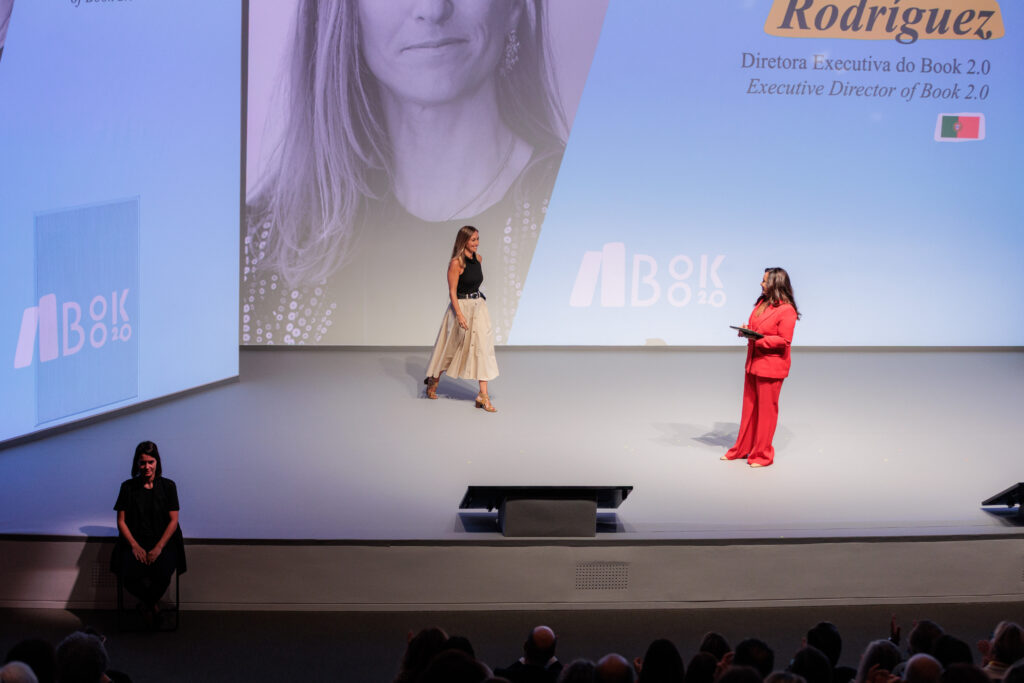
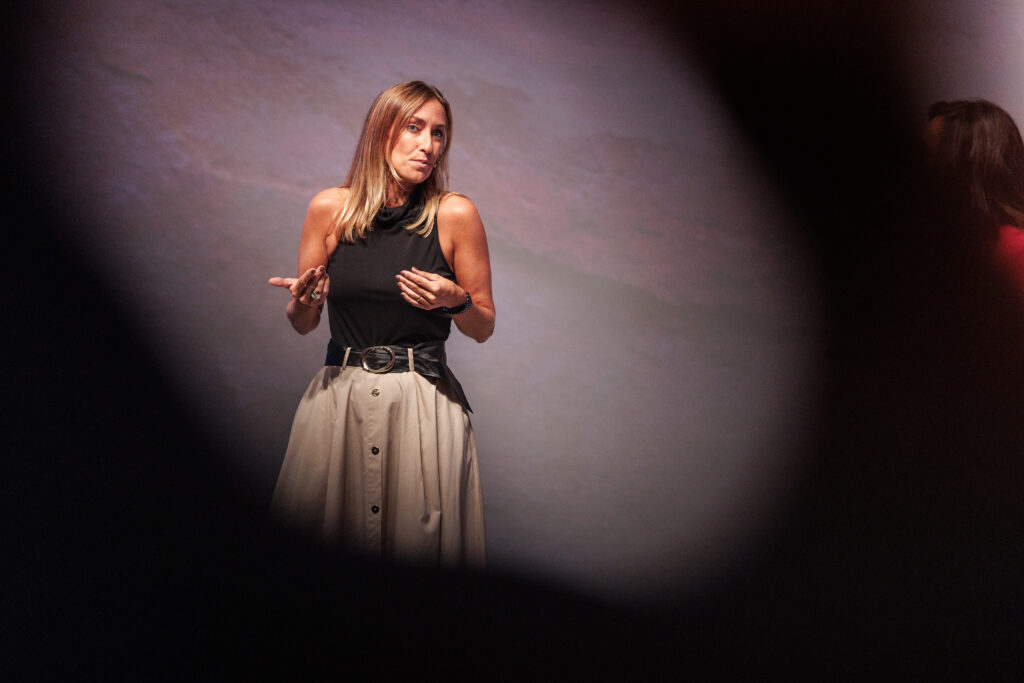
Sassy Women Society is a partner of Book 2.0, Centro Cultural de Belém, 15 and 16 September 2026.