
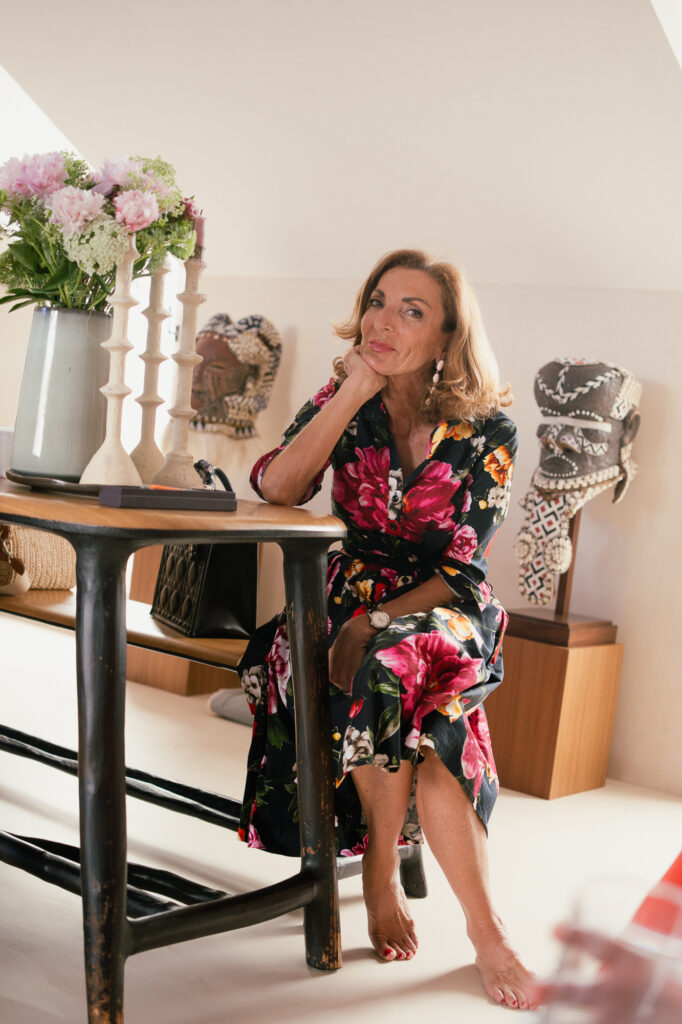
A Curious Woman in Many Worlds. Angelika Svoboda on Looking, Listening and the Art of the Global South
Angelika Svoboda has spent her working life close to the moment before a work becomes public: the studio visit, the acquisition, the artist nobody has placed yet. A social and cultural anthropologist by training, she reads a painting for its story before its materials, and she has built two NGOs alongside a career in art and music. She sat down with us for a Coffee Talk.
How would you introduce yourself beyond the titles and accomplishments? Who is Angelika at her core?
I am a woman always curious to discover new worlds, new aspects of life, eager to experience the world from different perspectives. I am motivated by learning new ways of understanding and interpreting the complex world we live in.
What is the first artwork you can still see clearly when you close your eyes, and where did you meet it?
An antique Romanian icon, mystical to me then and now, which my parents acquired during the year we spent in Romania as an expat family. I was five.
Success is a relative term. When you are young it means recognition, money, reputation. Later, purpose and the ability to lead a happy and meaningful life become essential.
Much of your work happens before the public sees anything, around both art and music. How would you describe what you actually do, in your own words?
My passion is to create, curate and produce something that might otherwise never happen, whether it belongs to the cultural and artistic world or the corporate one. Part of it is discovering artists and proposing them for a museum acquisition, gallery representation, or a private collection.
What has success come to mean at this stage?
Success is a relative term. When you are young and starting out, it often means recognition, then financial success and a reputation as an expert. Later, purpose and the ability to lead a happy and meaningful life become essential. Alongside my professional work, being actively engaged in NGOs has always mattered to me. I founded two: one focused on the legal and social situation of women who have survived rape in Austria, the other supported Syrian migrants in Jordan through education and vocational training.
What do you look for in the first minute in front of a work, and what tells you it will still matter in thirty years?
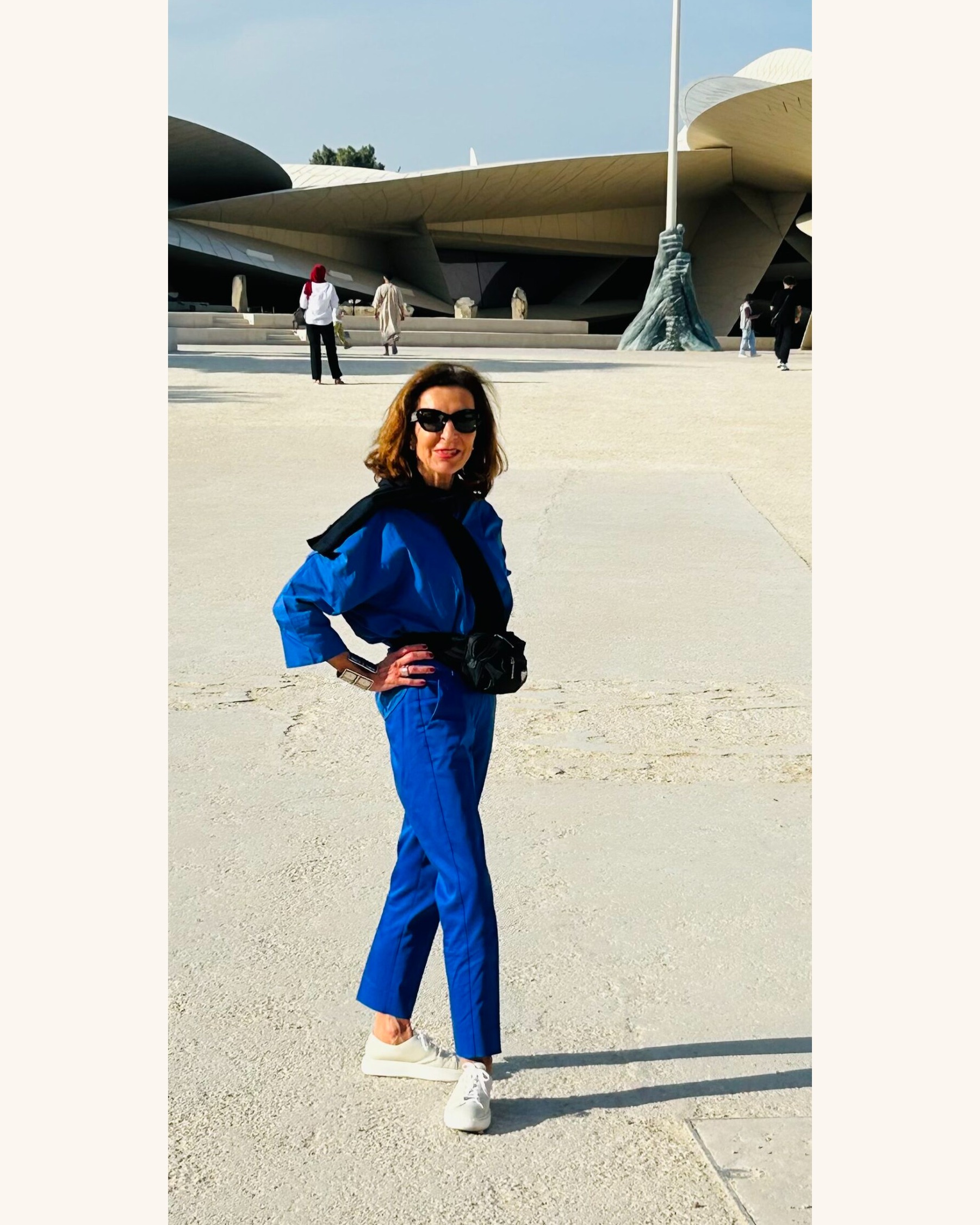
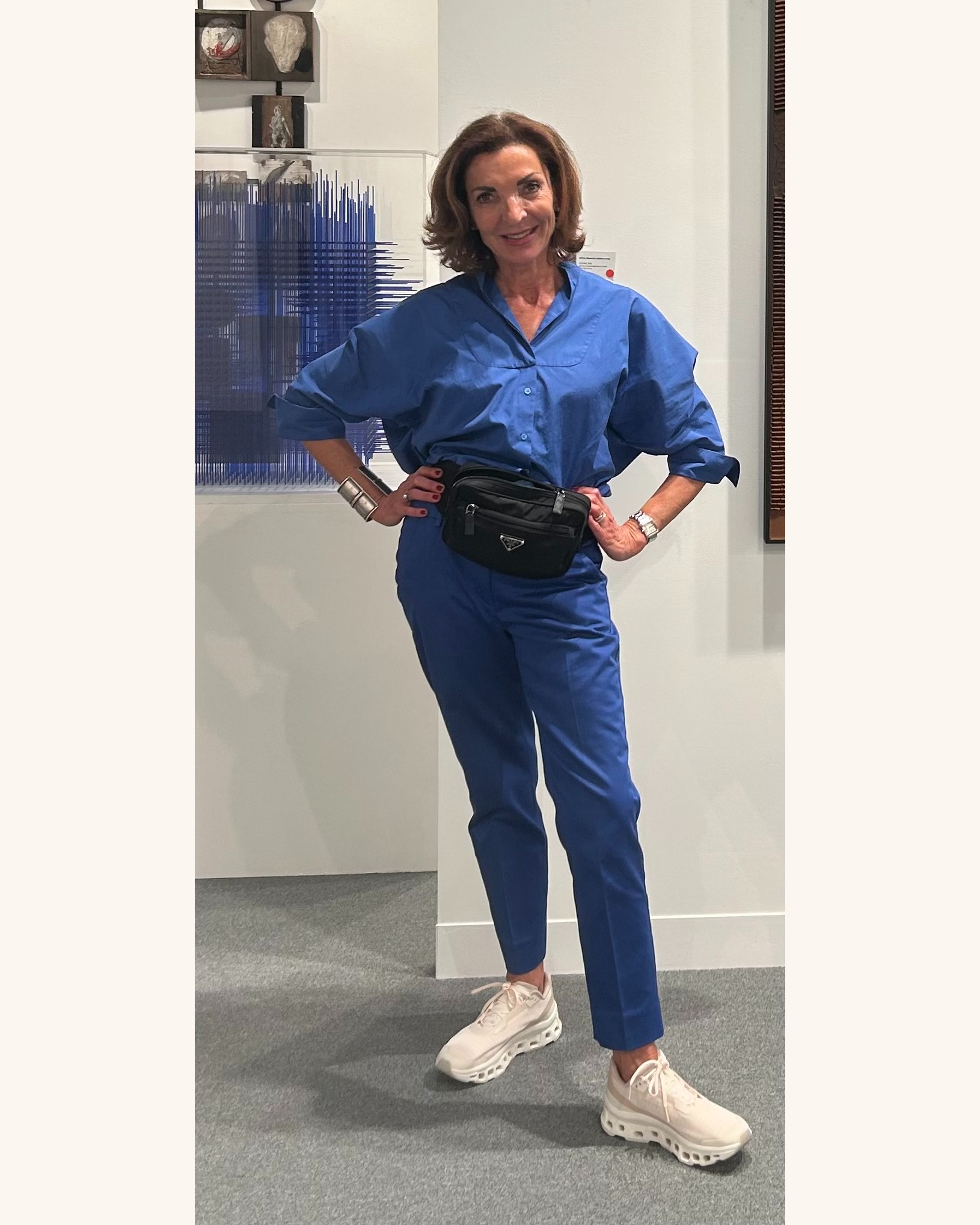
First of all it has to speak to me, tell me a story. I need to be intrigued. I always look for the narrative and the ability to read it. Materiality and composition come second. I am a social and cultural anthropologist by education, so my approach differs from that of the usual art historian.
A work has to speak to me, tell me a story. I look for the narrative first. Materiality and composition come second.
What is overrated and what is underrated in the art world right now?
The art world is a complex construction, and many people confuse it with the art market. The market, meaning the fairs, the gallery shows and all the commercialised parts of art production, is only one part of it. What is over or underrated has to do with sociopolitical circumstances. In fragile times the market focuses less on ultracontemporary work, and demand rises for modern artists and for abstract art.
Over recent years, institutional recognition has centred on art from the so called Global South: work that addresses the sociopolitical and historical dimensions of the slave trade, colonialism and liberation movements, and the underrepresentation of artists from Africa and the diaspora. Intersectionality became a relevant issue. Right now we face enormous efforts to eradicate, or at least diminish, art production rooted in the postcolonial discourse and anything that addresses race and gender. I find art from the Global South still underrated and underrepresented in the western canon, particularly as it is constantly attacked by populist political movements.
What do you listen for in a live performance that no recording can give you?
The emotional moment. Listening to a recording is a little like viewing an exhibition on a computer screen. It stays flat, and the immediate emotional dimension is missing.
Listening to a recording is a like viewing an exhibition on a computer screen. It stays flat.
You have lived close to both pictures and music. What has one taught you about the other?
The world of classical music and the world of contemporary art from the Global South differ enormously, and I cannot say that one has taught me about the other. Working in the cultural industry compared with the corporate world is very different. I have done both, and handling the corporate world is far easier than working professionally in culture.
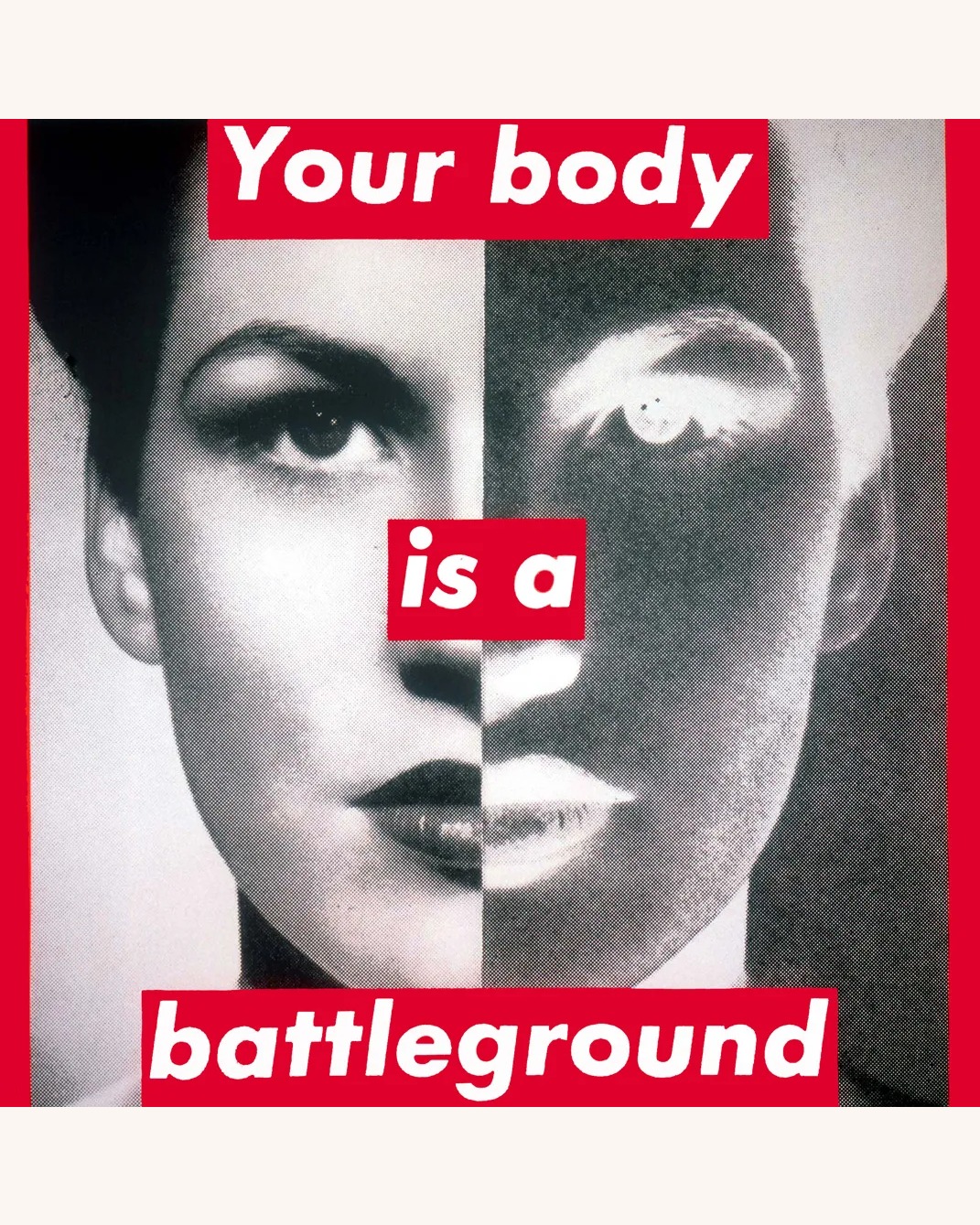
If the choice were yours alone, which woman’s work would you hang in a museum’s central room tomorrow?
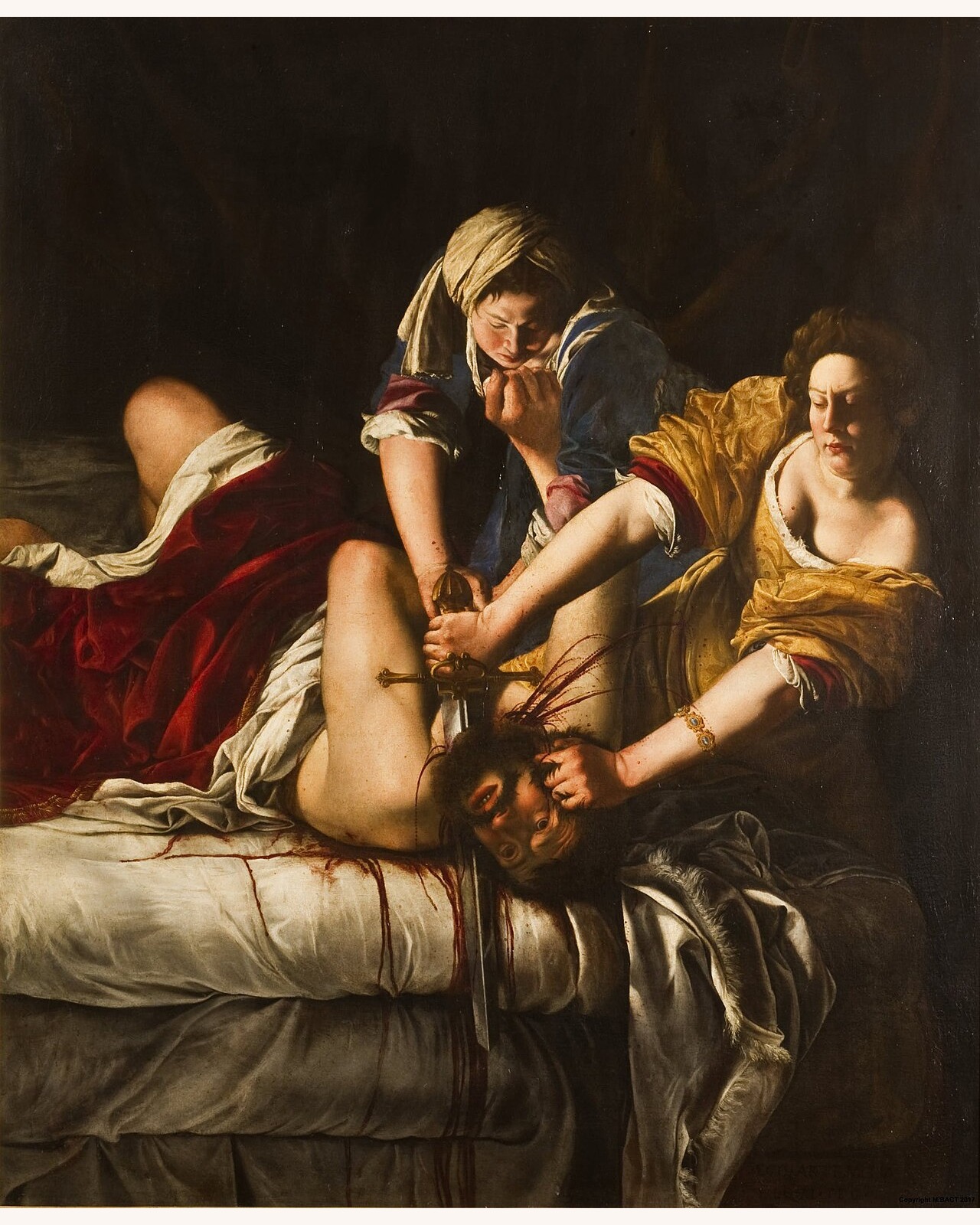
Two works: Artemisia Gentileschi’s Judith Slaying Holofernes, for the historical dimension, and Barbara Kruger’s Your Body is a Battleground.
What question do you wish people asked you more often at this stage?
What makes you tick? And: why do you consider advocating for artists from the Global South essential in the times we are living in?