
The Woman Behind the Titles
At thirty-four, Sanna Marin was the youngest prime minister in the world. At thirty-seven she had taken Finland through a pandemic and into NATO, with Russia on the other side of the longest border in the European Union. On a Thursday in September, in Lisbon, she was being asked over coffee how she had held power over other people’s lives and stayed the person she wanted to be.
She answered. That is the kind of morning this was.
The Guest
The world met her as a headline. Youngest. Woman. Finnish. Photographed at a party, debated in parliaments, scrutinised in a way the men beside her were not. She has been described more often than almost any woman of her generation, and rarely by anyone who had sat across a table from her.
We were about to.
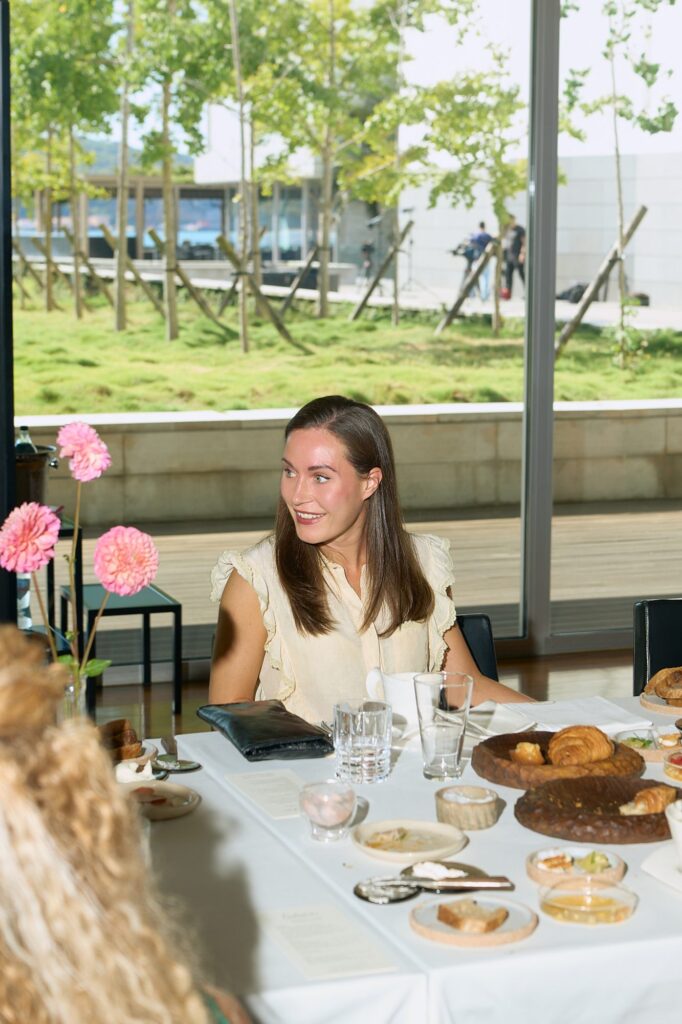
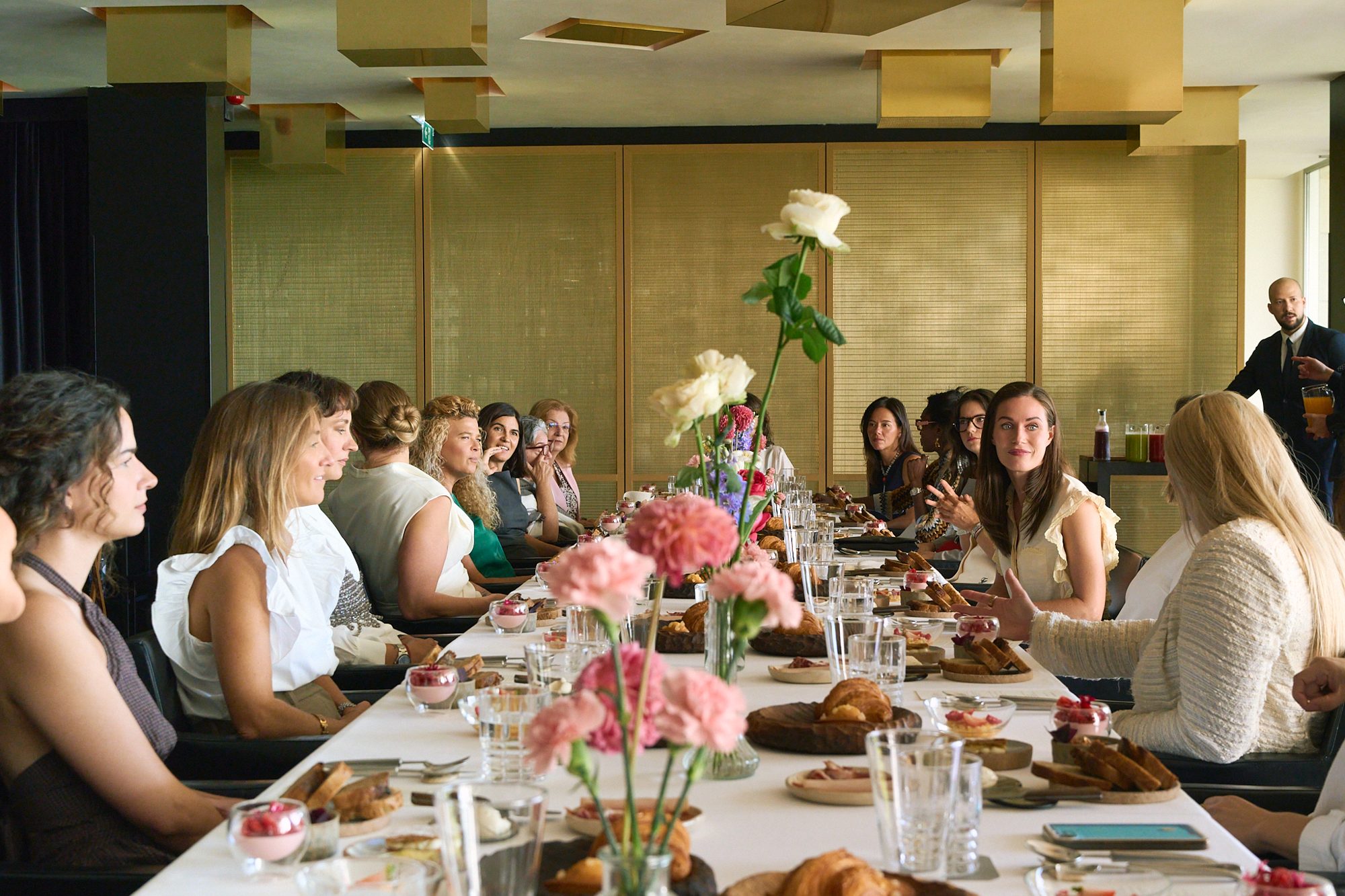
She came in pale yellow, hair down, and took the chair at the head of the table. What we noticed first was the listening. She lets a question finish. Then she answers the question that was actually asked, and when she tells a story she tells it against herself.
The Women
You learn who a woman is by what she asks a prime minister in a private setting.
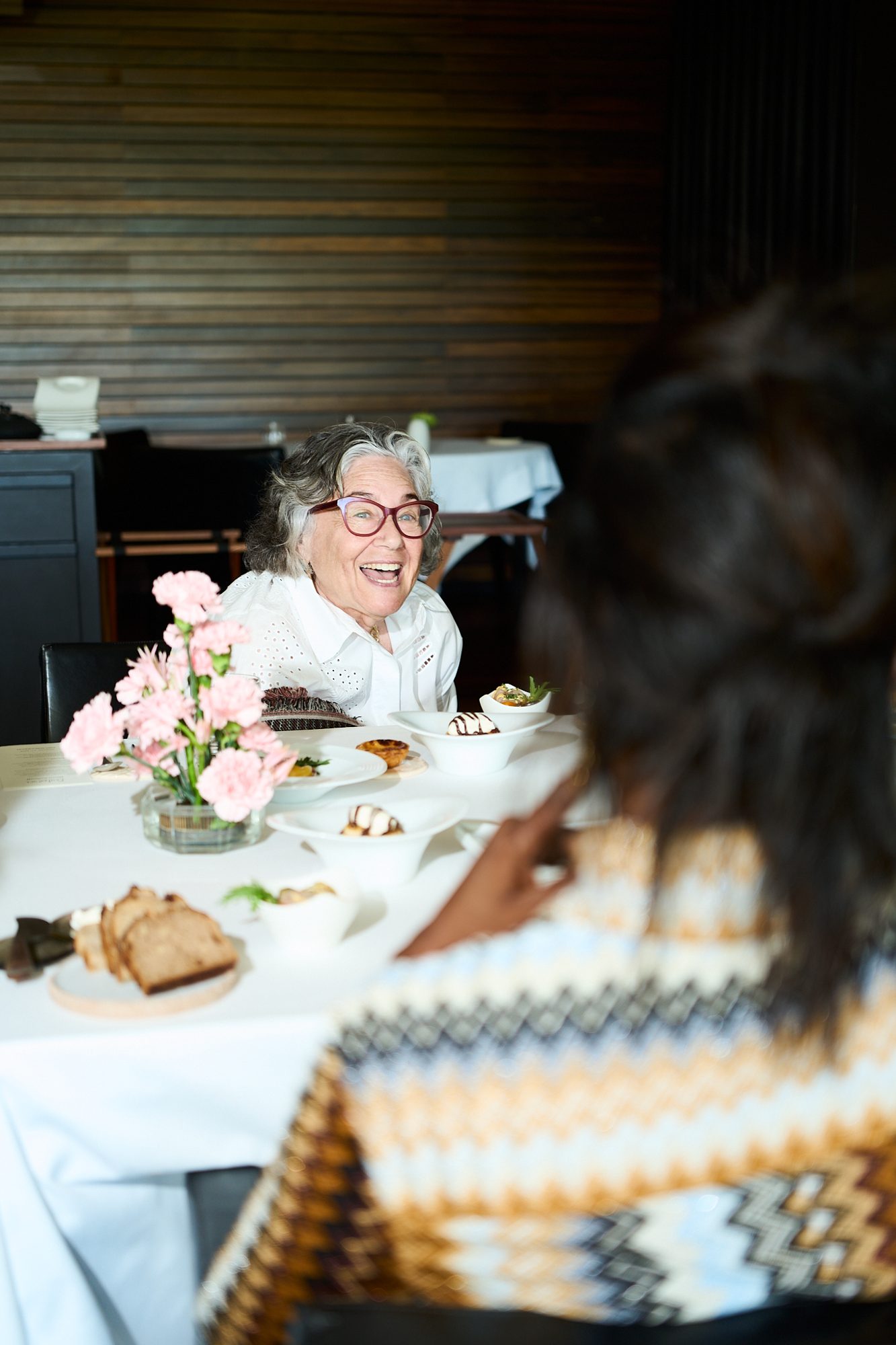
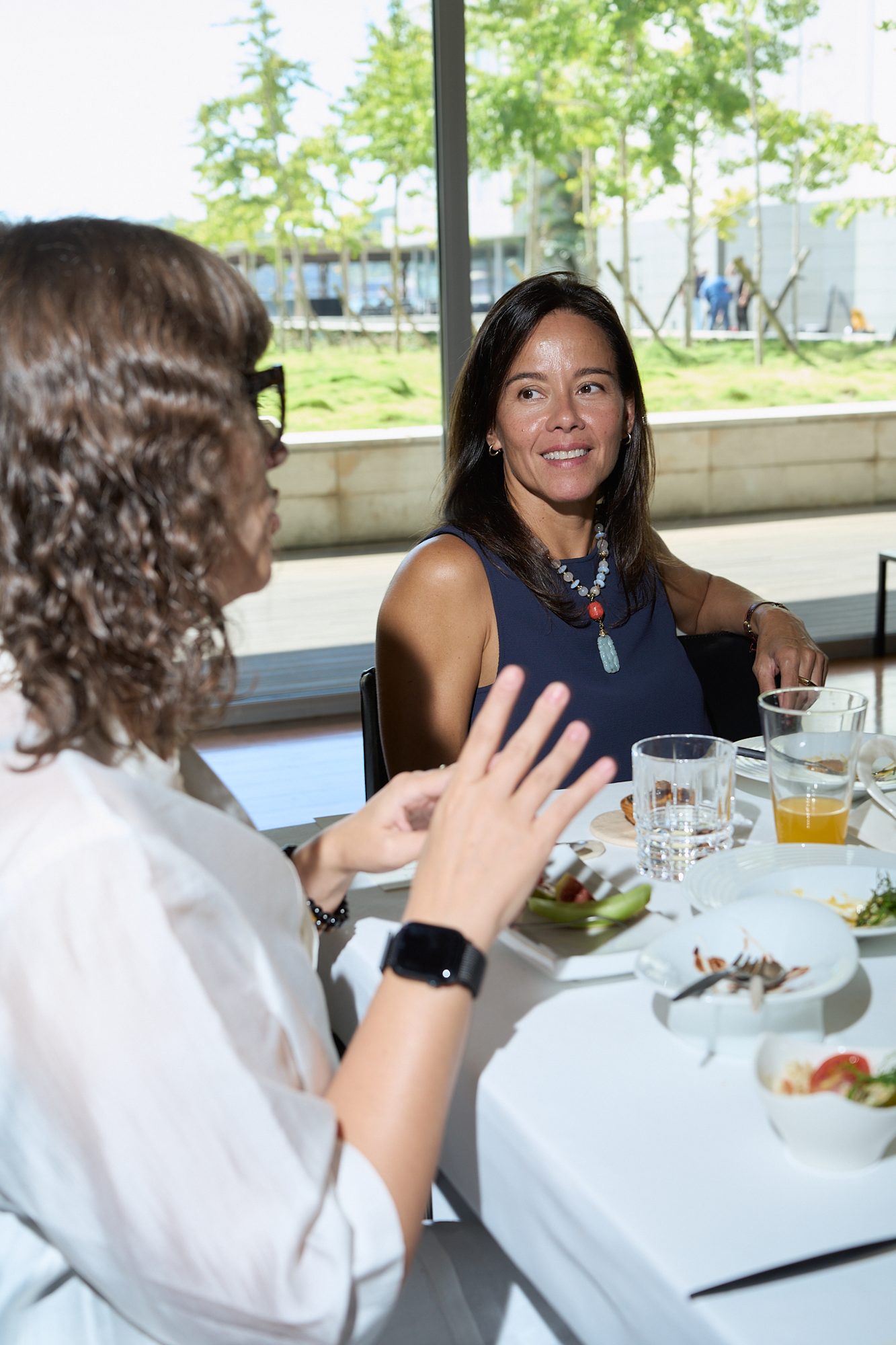
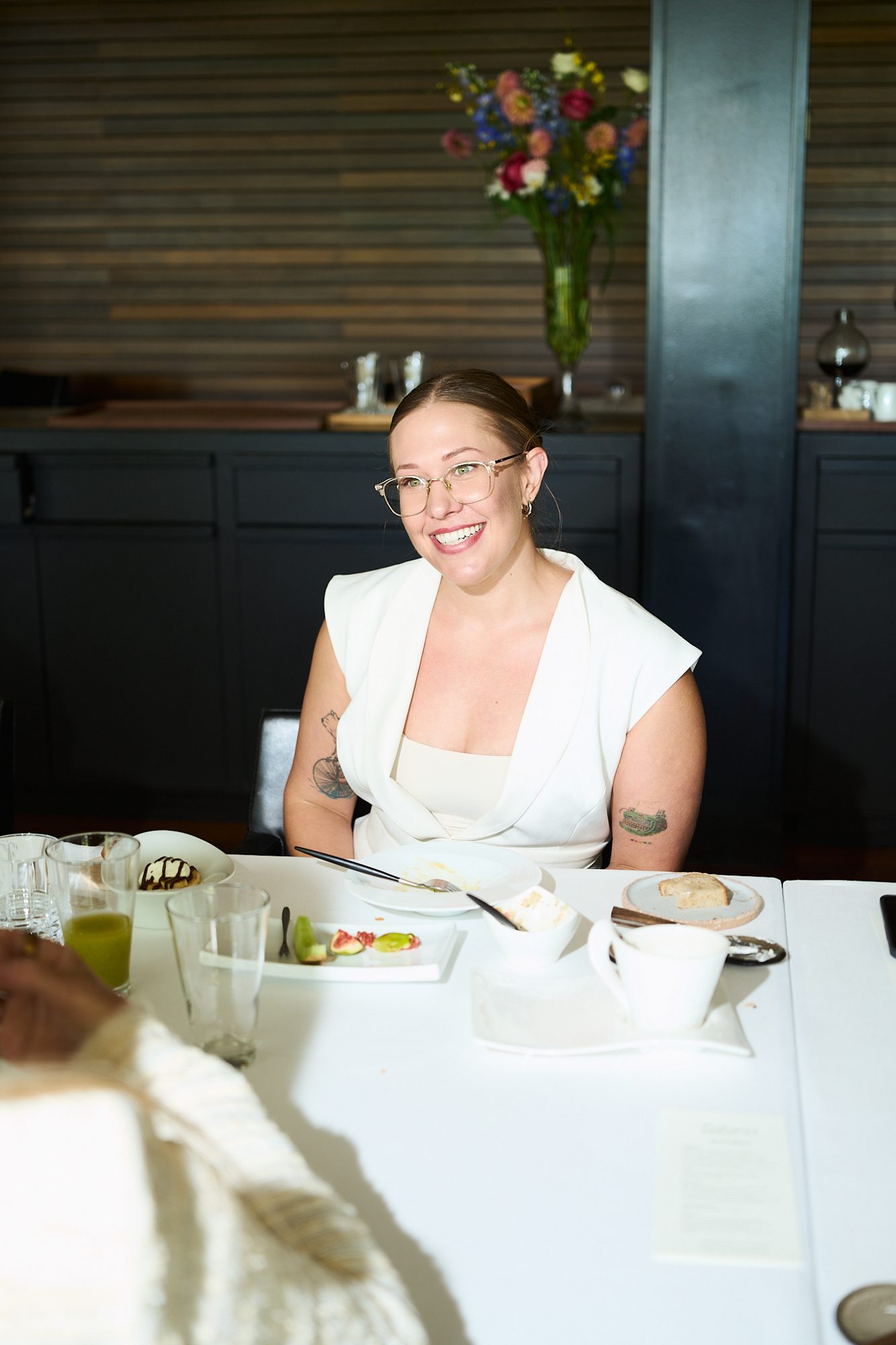
The woman at this table has moved countries, at least once for love and once for herself. She runs something, a company, a department, an estate, a household, and still writes her question out by hand the night before. She read the book. Her ambition makes no noise. Her curiosity is a discipline rather than a mood. She is secure enough to ask the thing everyone else was thinking.
Her questions: what it does to a person to be judged by millions who have seen a fraction of her. Whether everything is possible, or only everything at once. Why so little of the world’s medical research is done on women’s bodies.
She is Portuguese, and she is not. She is in her forties and she is in her late sixties. She has been here since the first table was laid, and she joined this spring.
At Sanna’s right hand sat Daniela Gîtman, Ambassador of Romania to Portugal, a woman whose title is her job and who had come, that morning, to listen rather than to represent.
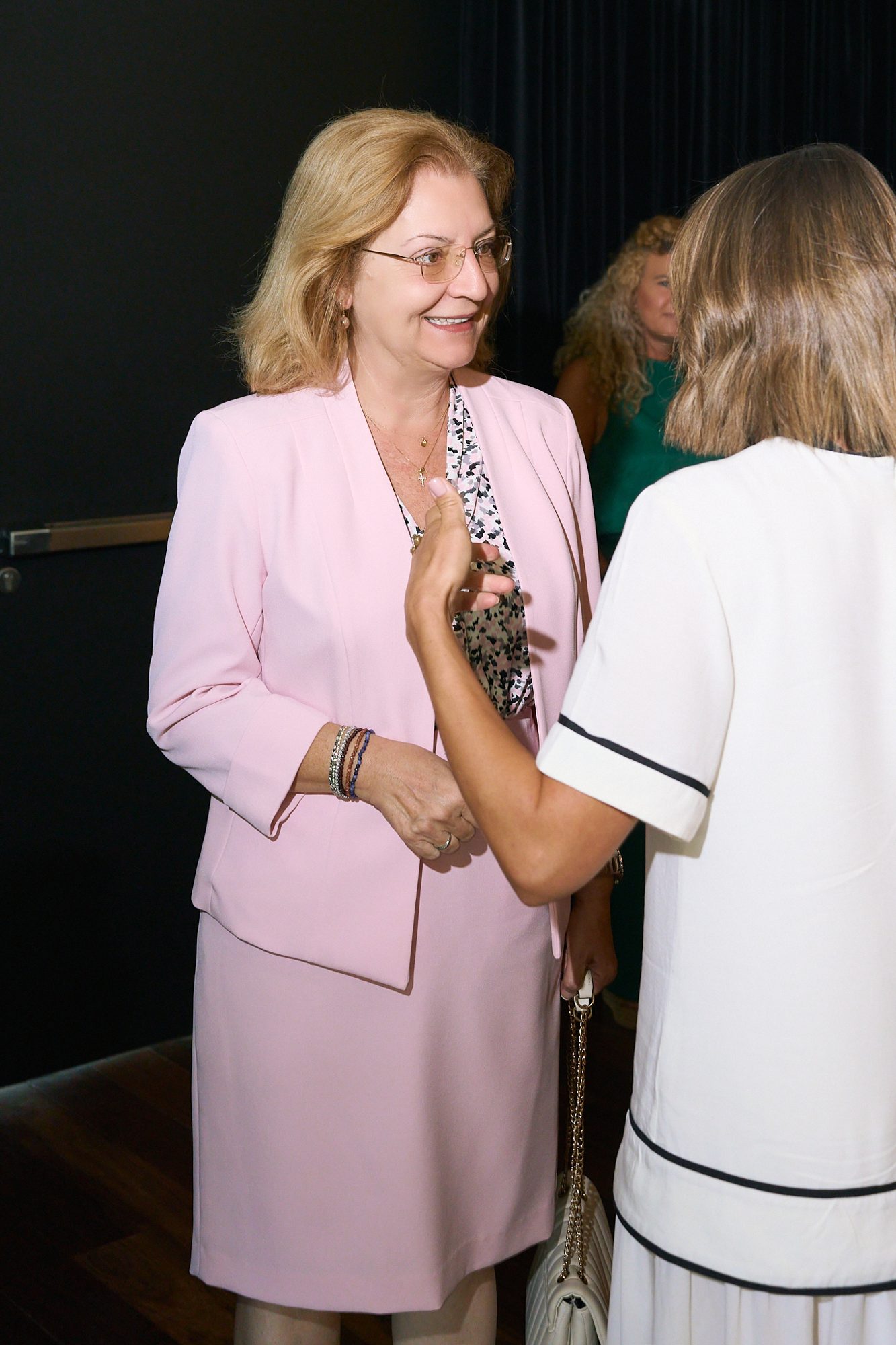
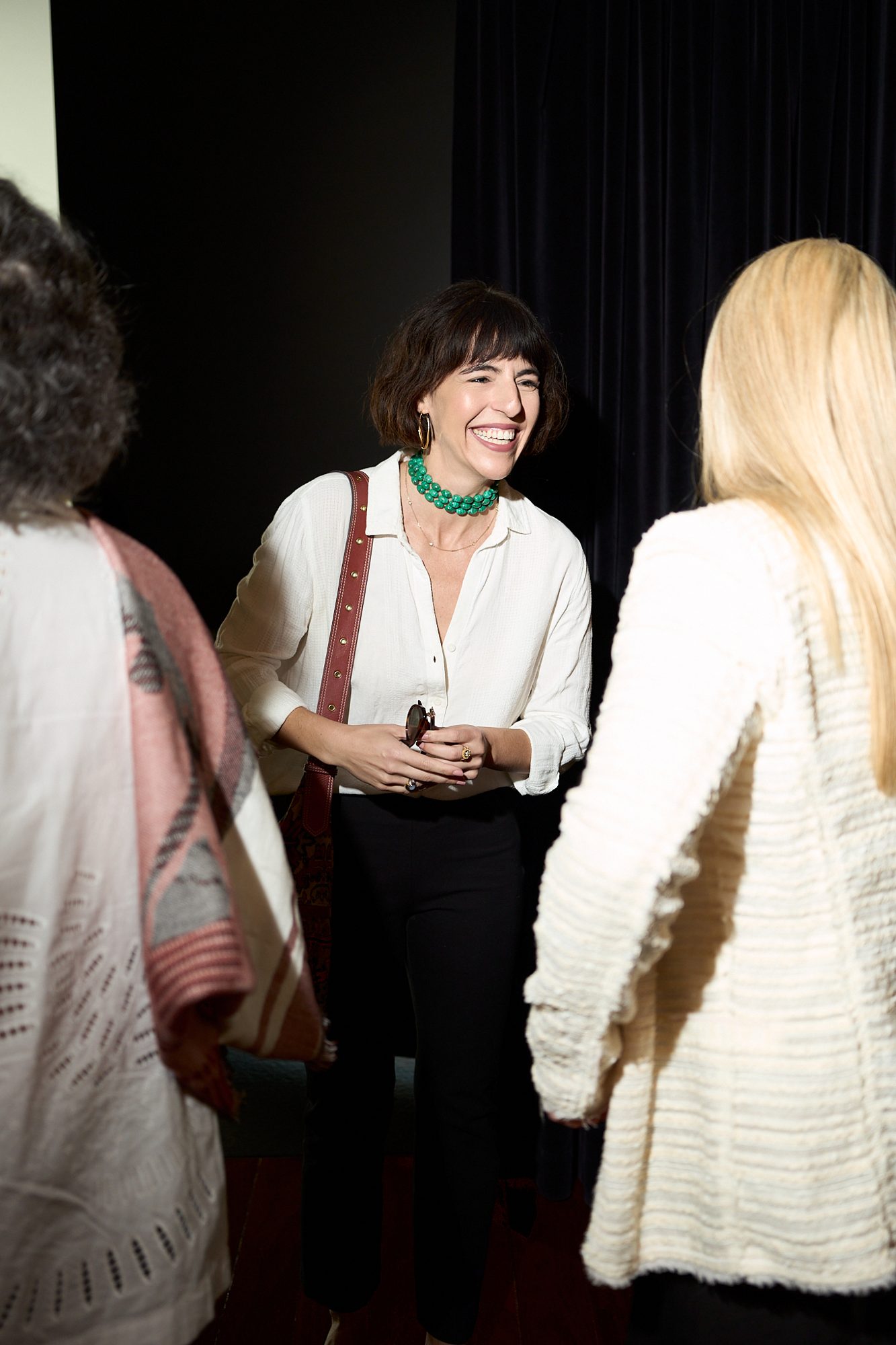
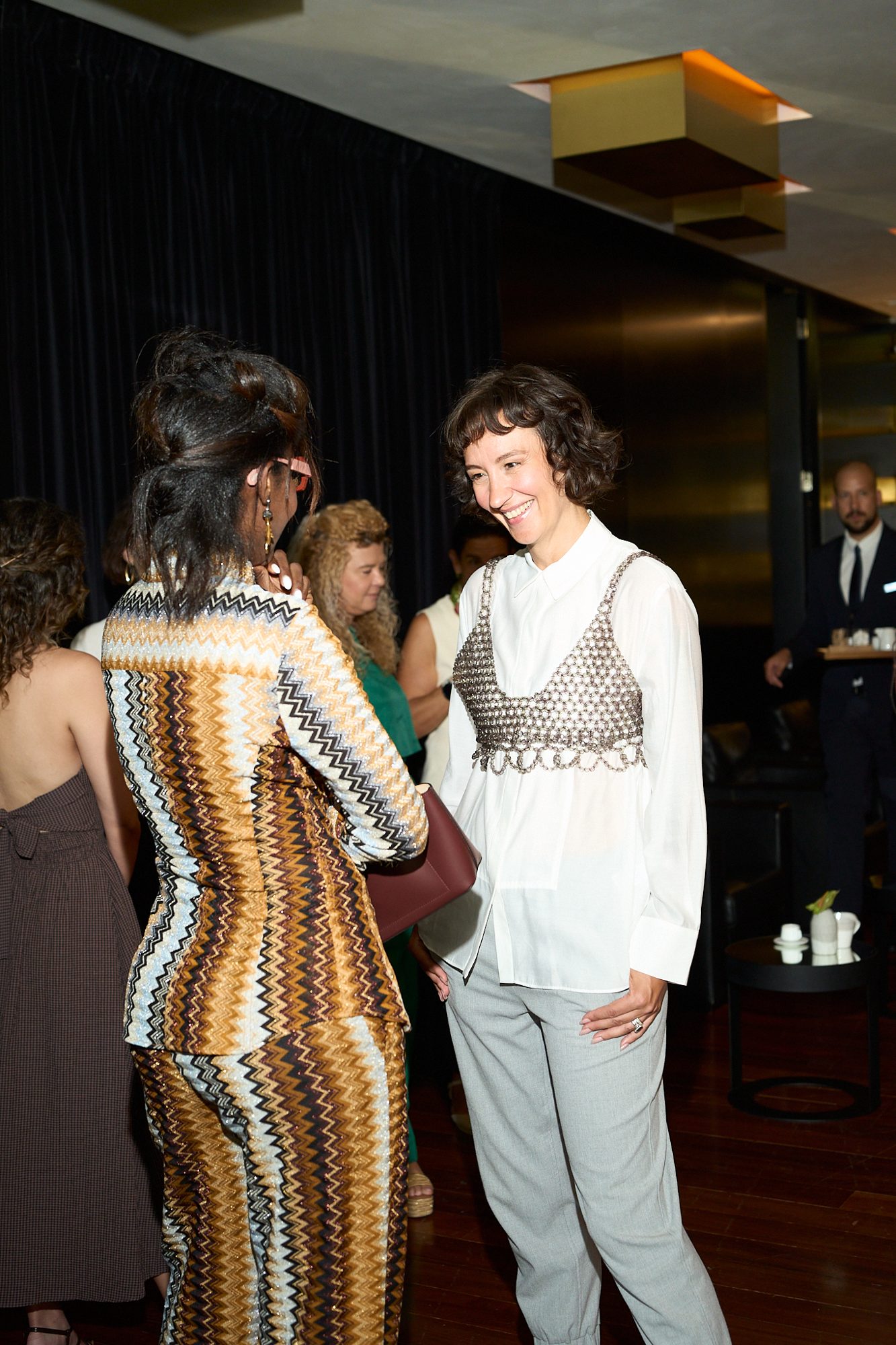
The Conversation
The questions began, and within minutes they had left the territory of the interview. A woman cannot ask a prime minister whether she can have everything without first admitting that she wants it. So the questions became confessions, the confessions became the conversation, and somewhere past the second coffee it stopped mattering who had run a country and who had not.
She talked about self-esteem as something you build rather than something you are issued with. About the belief that you can do the thing in front of you. About the years it took her to understand that she did not have to be perfect to be allowed to try. The women at that table have built careers on getting every detail right. We watched that sentence land.
Then she said what she wants: more women in positions of real power, because the world would look very different.
The Table
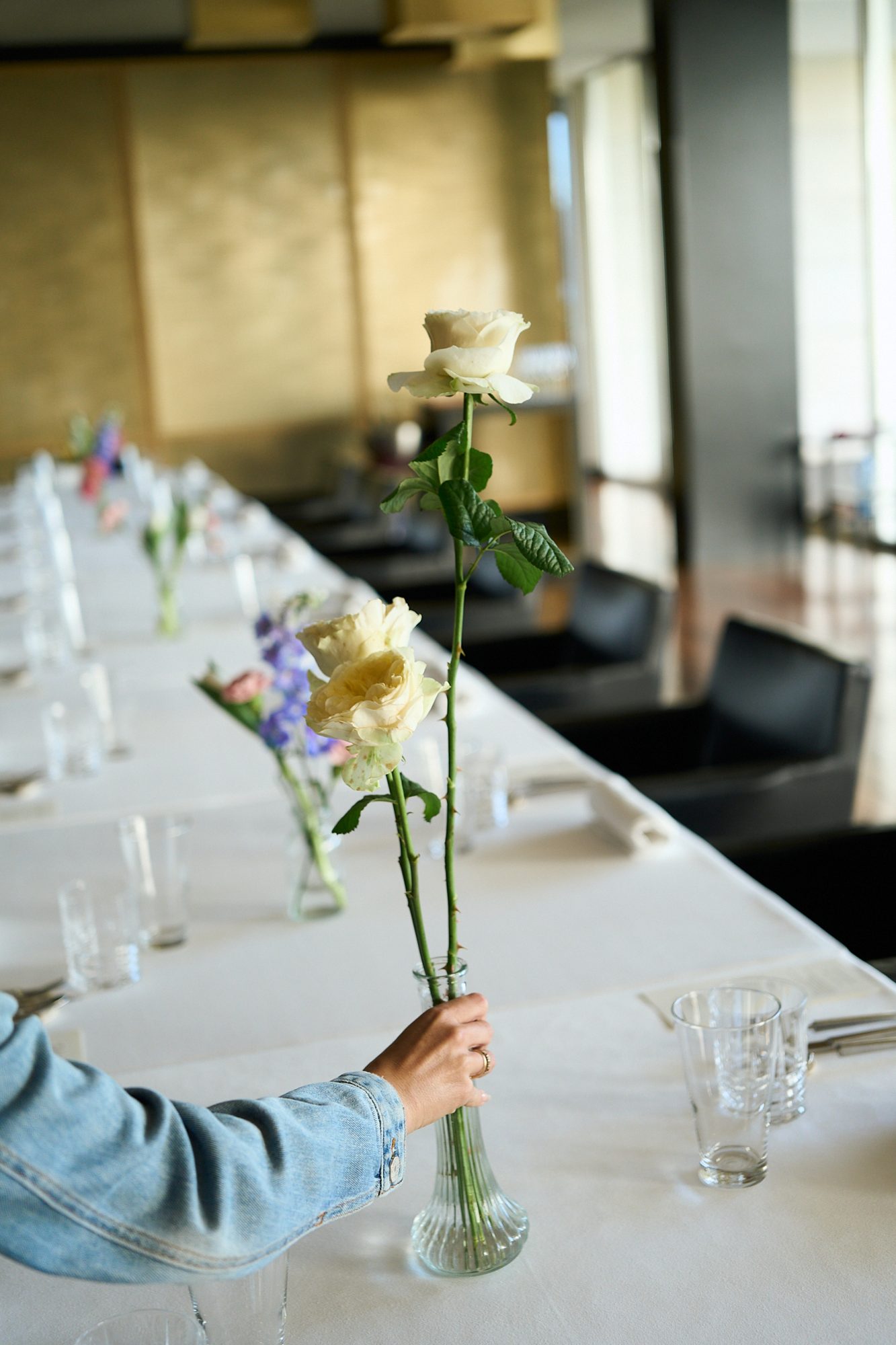
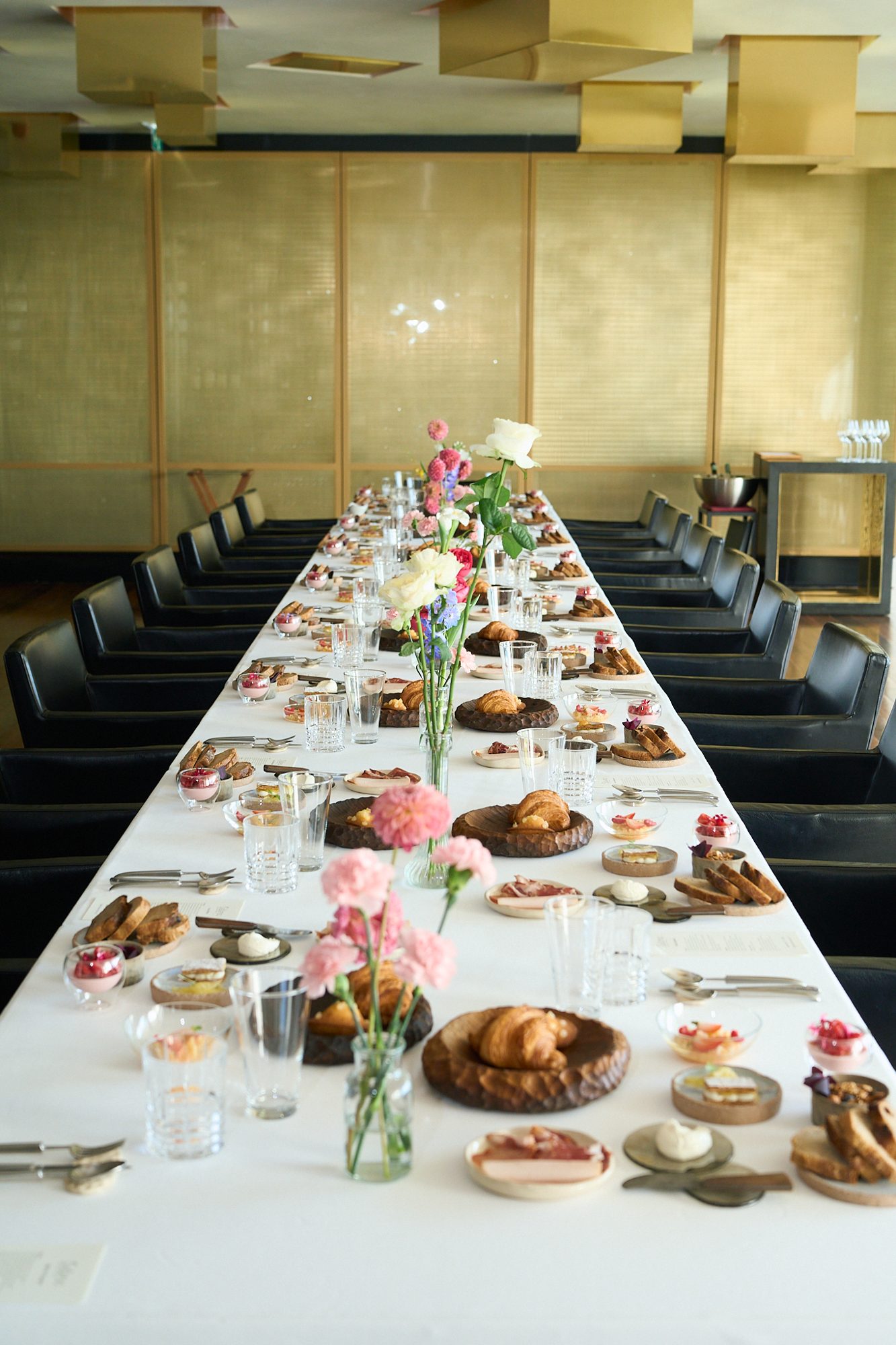
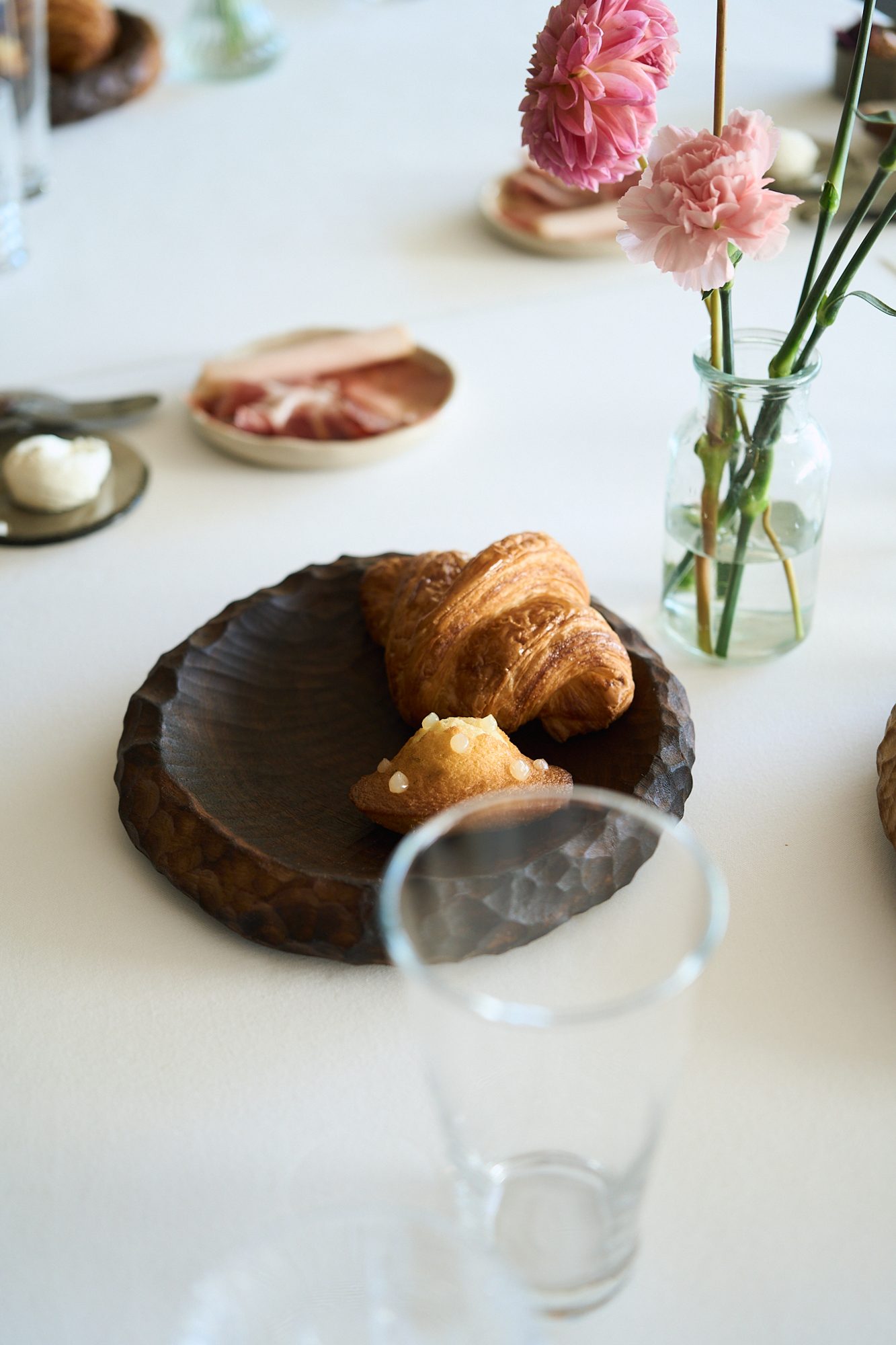
Beauty ran through the morning like a second conversation. Feitoria holds a Michelin star, and its hour is dinner. For us Chef André Cruz opened the kitchen at breakfast, to no one else, the Tagus in every window and the gold of the ceiling warming as the sun climbed. Plates came one at a time, each made for the woman in that chair, set down between sentences. Orangerie ran flowers the length of the linen, carnations and white roses and delphinium, kept low so that every face could see every other.
We strive for perfection in these things. We will go on striving for it, because care is a language, and our members are fluent in it.
The Titles
A title is what the world gives you so that it does not have to look closer. Prime Minister. Ambassador. Founder. Partner. Mother. Useful words. Each one a door that closes behind you.
For two hours in Belém the doors stayed open. A woman who had run a country talked about doubt. Women who run companies talked about fear.
We left Feitoria lighter than we arrived. More certain of our own ambitions, and kinder about each other’s. Each of us carrying a copy of Hope in Action, and something harder to carry.
We came to meet the woman behind the titles. By the time the plates were cleared, the titles were the least interesting thing about her.
The morning was part of our partnership with BOOK 2.0.