
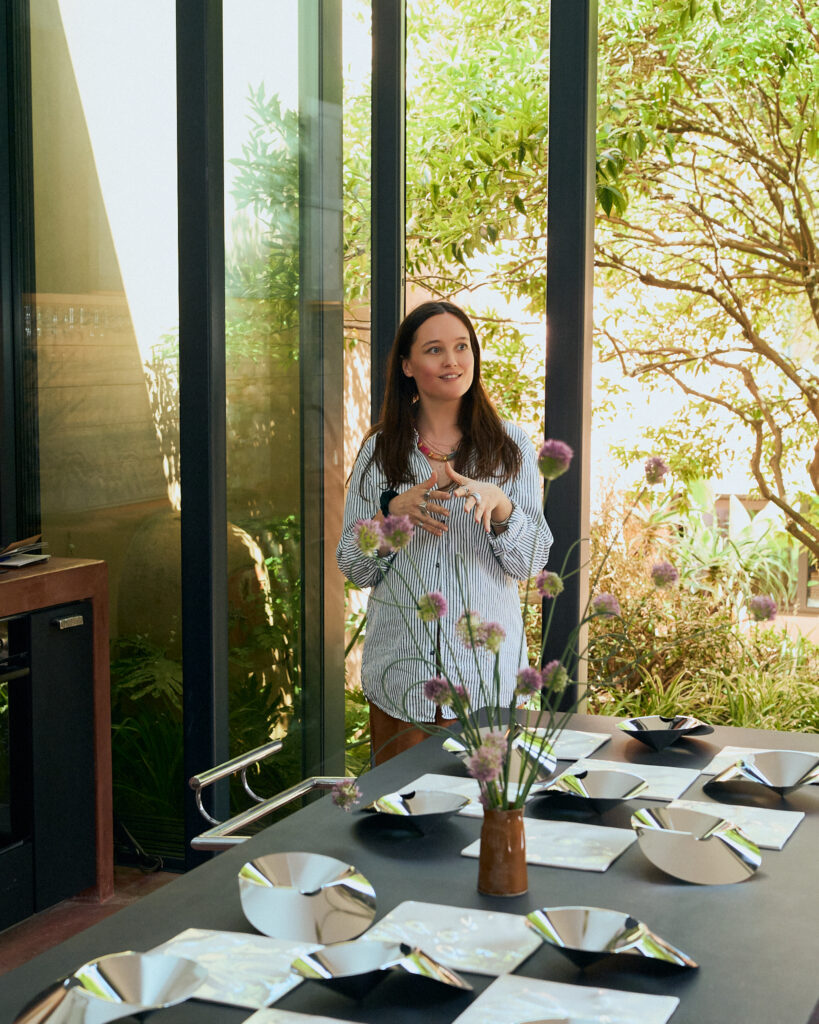
O Longo Adeus
There is a particular kind of afternoon that only happens in Lisbon at the beginning of summer, when the light stays longer and the conversations stretch on with enthusiasm. On one such afternoon, we found ourselves inside a house in Lapa that was in the middle of saying goodbye.
Victoire de Lencquesaing has lived in Lisbon for nine years. Before leaving, she opened her home for five days during Lisbon Design Week. She called the exhibition O Longo Adeus. The long goodbye. A house preparing to let go of itself, slowly, in front of anyone willing to walk through it.
We were there for the afternoon. This is what we experienced.
The House
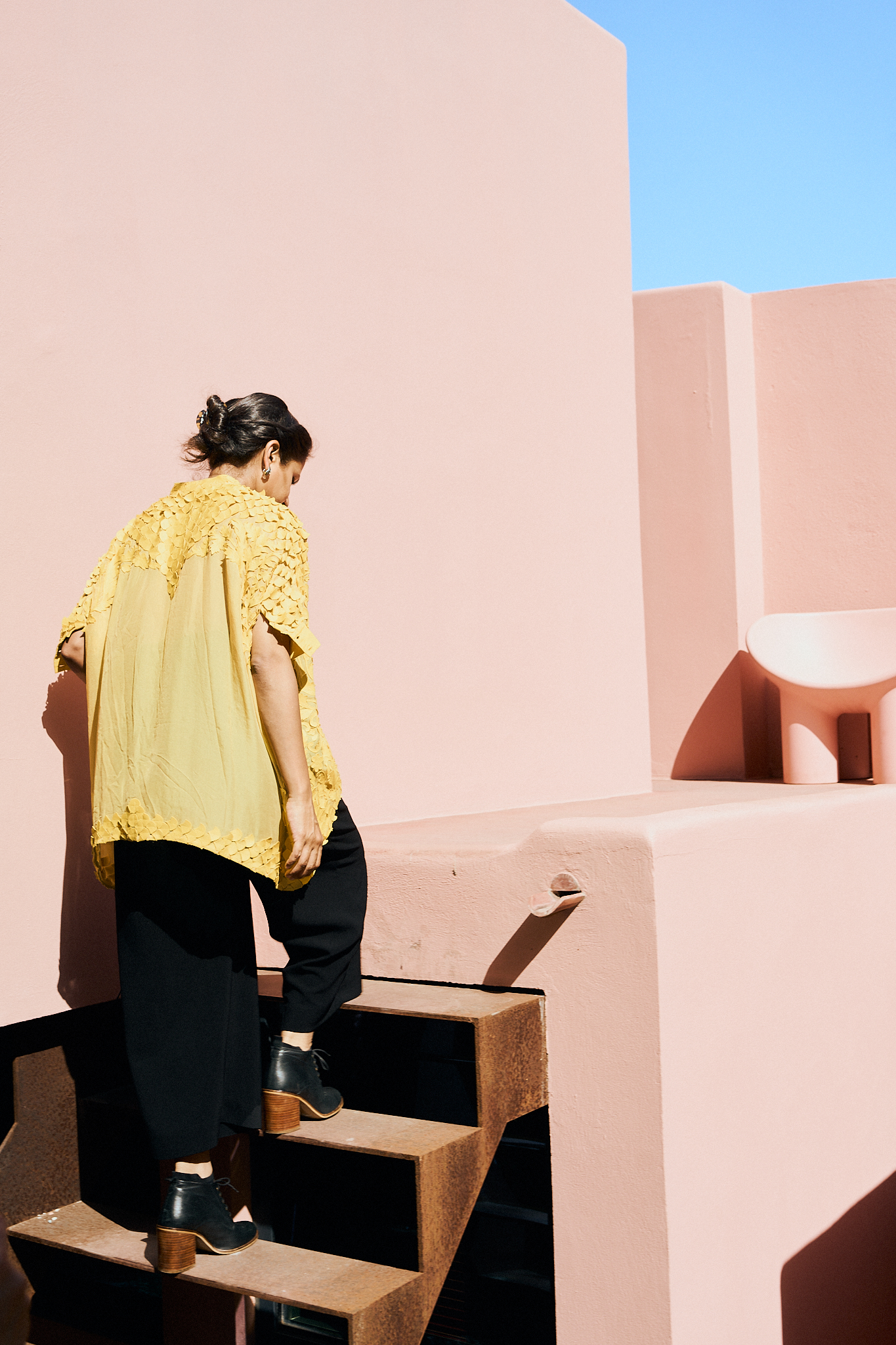
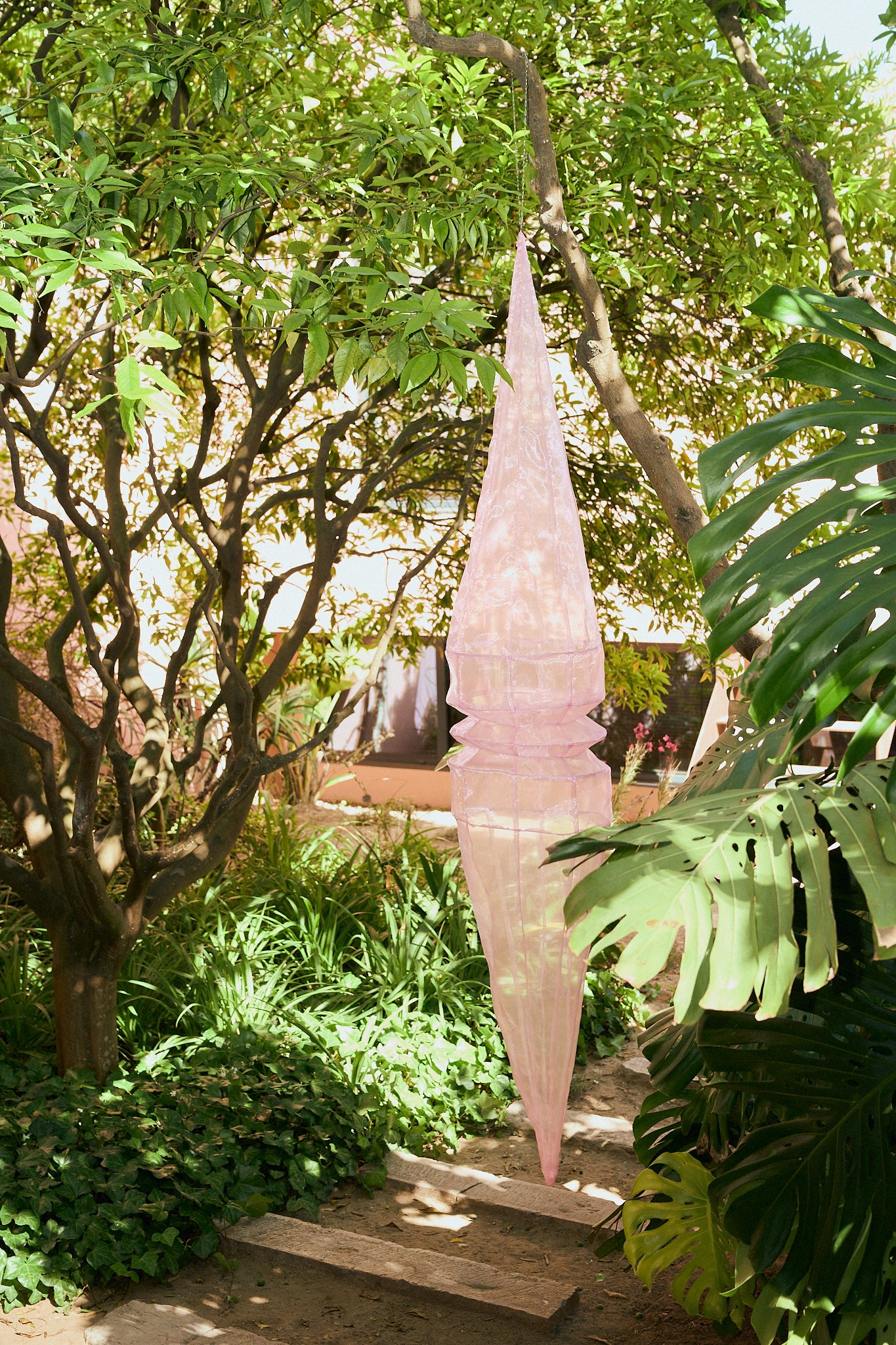
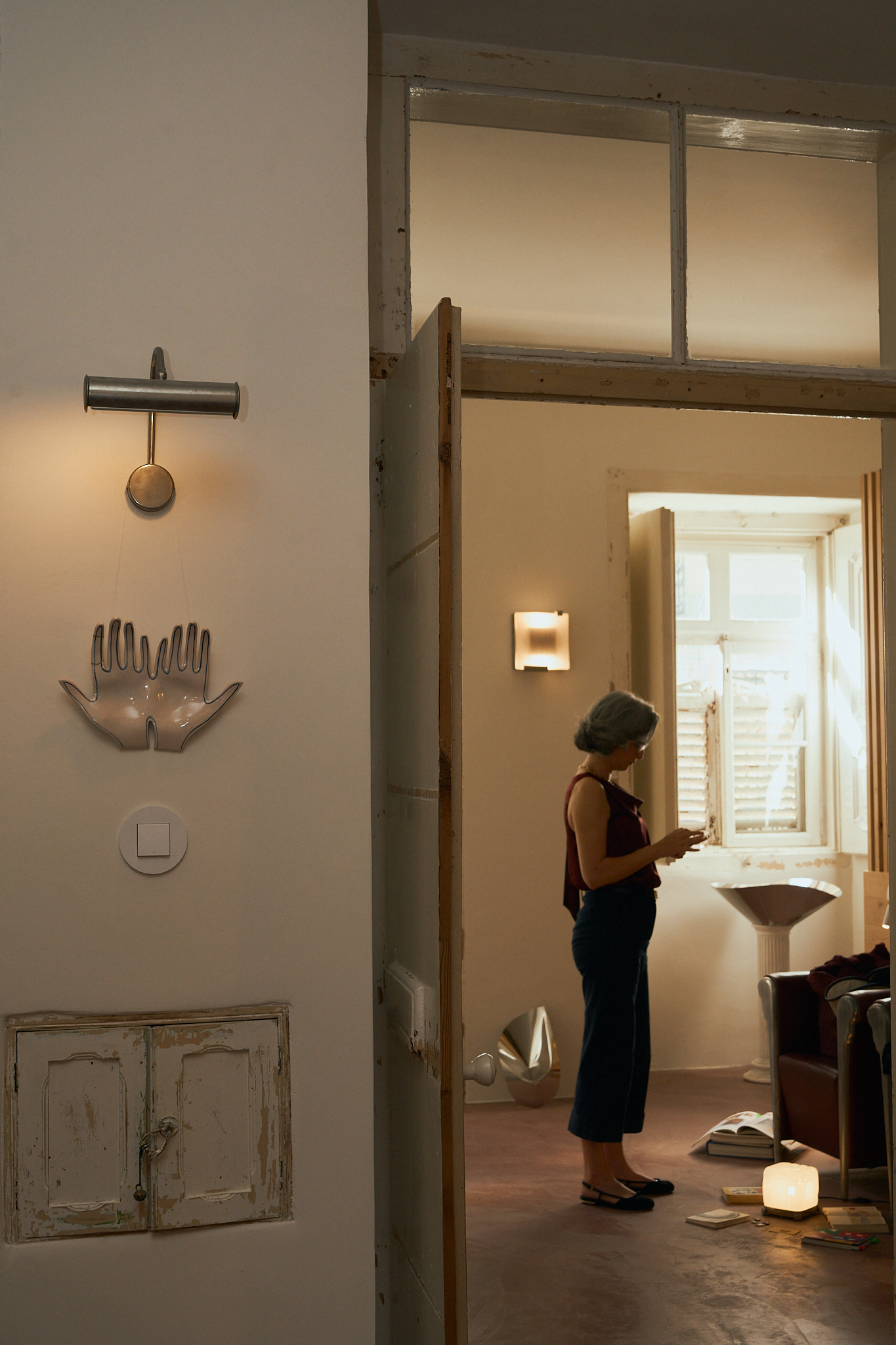
Designed by Albino Alves Pinho in a modernist idiom of pink walls, wooden thresholds, and terracotta terraces looking out over the Tejo. It is the kind of building that reveals itself in fragments: a shadow along a wall, the sudden opening of a garden, a bookshelf built into an angle that surprises you. Victoire walked us through the rooms herself, describing what each one had taught her over nine years. She spoke about the house the way you speak about a friend whose absence you are already beginning to feel.
The Art
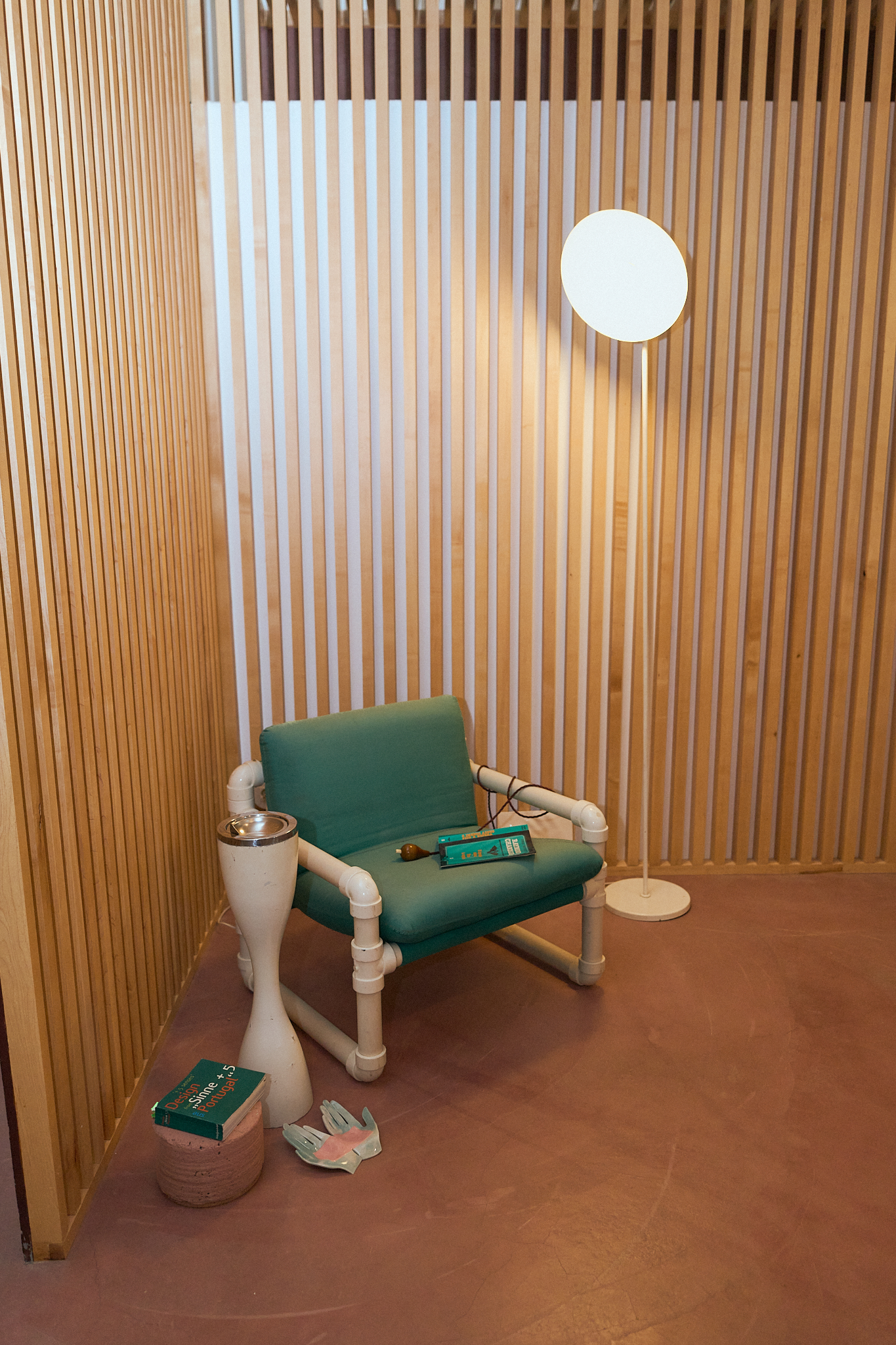
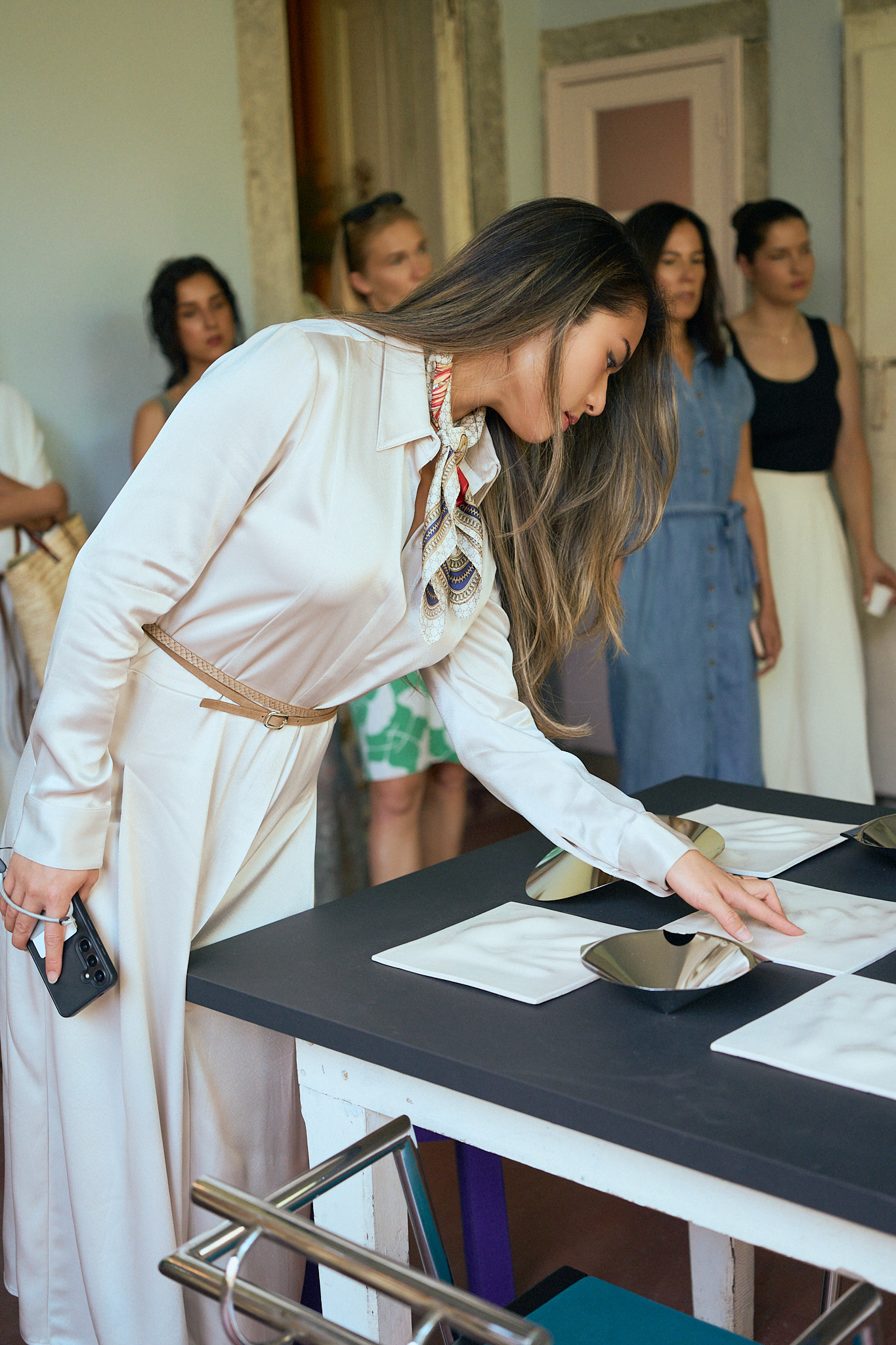
The exhibition was a shared curatorial gesture between Main Edition and João Cabaço of Stood Design. Furniture, objects, and artworks by Portugal-based artists were dispersed through the rooms and the garden, placed as if lived with: a stool against a corner, a sculpture on a stair landing, ceramics resting on the terrace as if they had always been there.
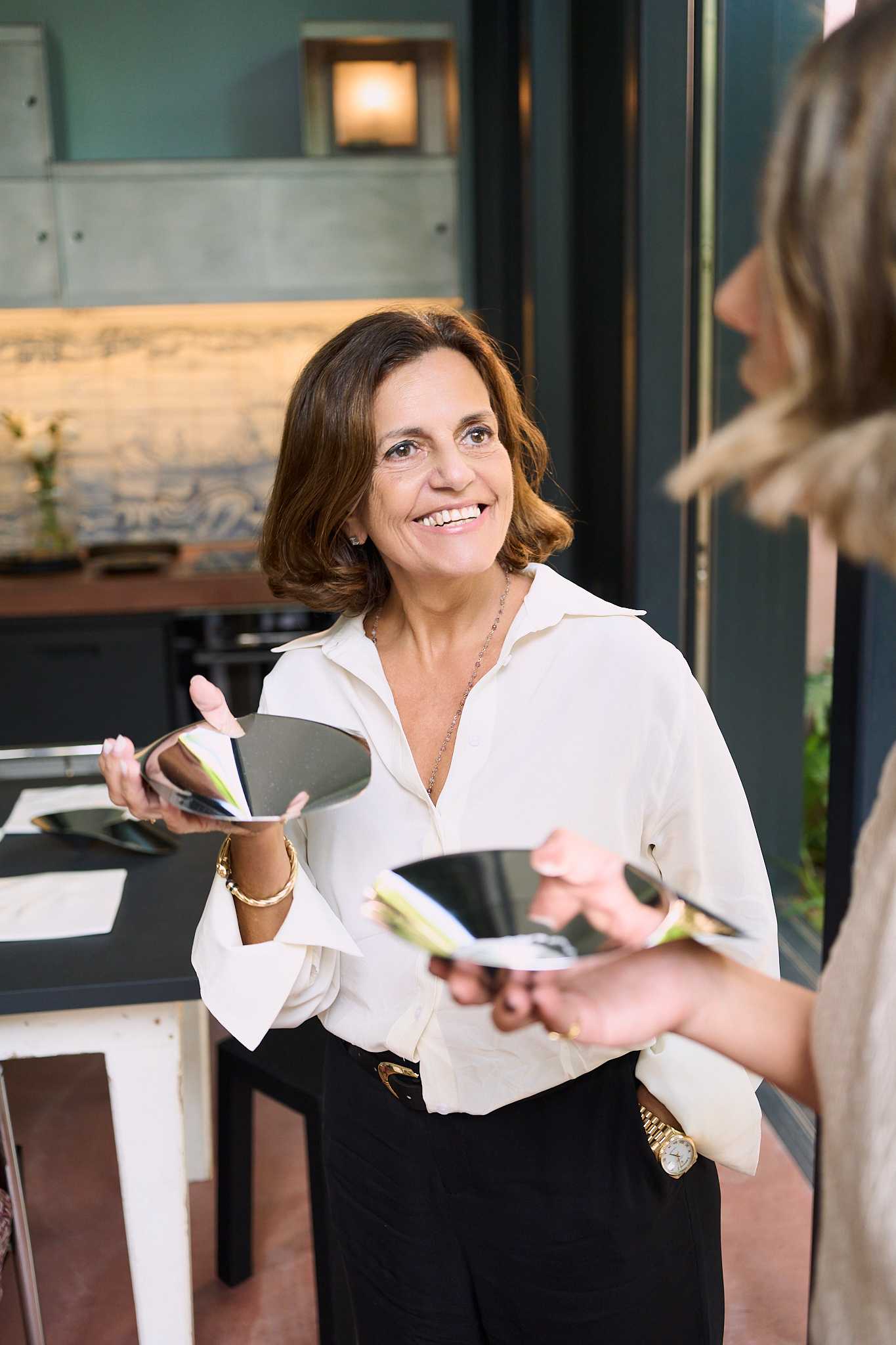
Bryon Studios. Claire Duport. Julia Karaim. Luisa Hentsch. María Renée Morales Lam. Marta Cypel. So-So Wood Studio. Each of them present. Each of them willing to explain the work to anyone who asked, with the kind of patience that only comes when someone genuinely loves what they have made.
We asked more questions than we planned to. They answered without hurrying.
The Afternoon
We had meant to stay an hour. We stayed until the light began to change.
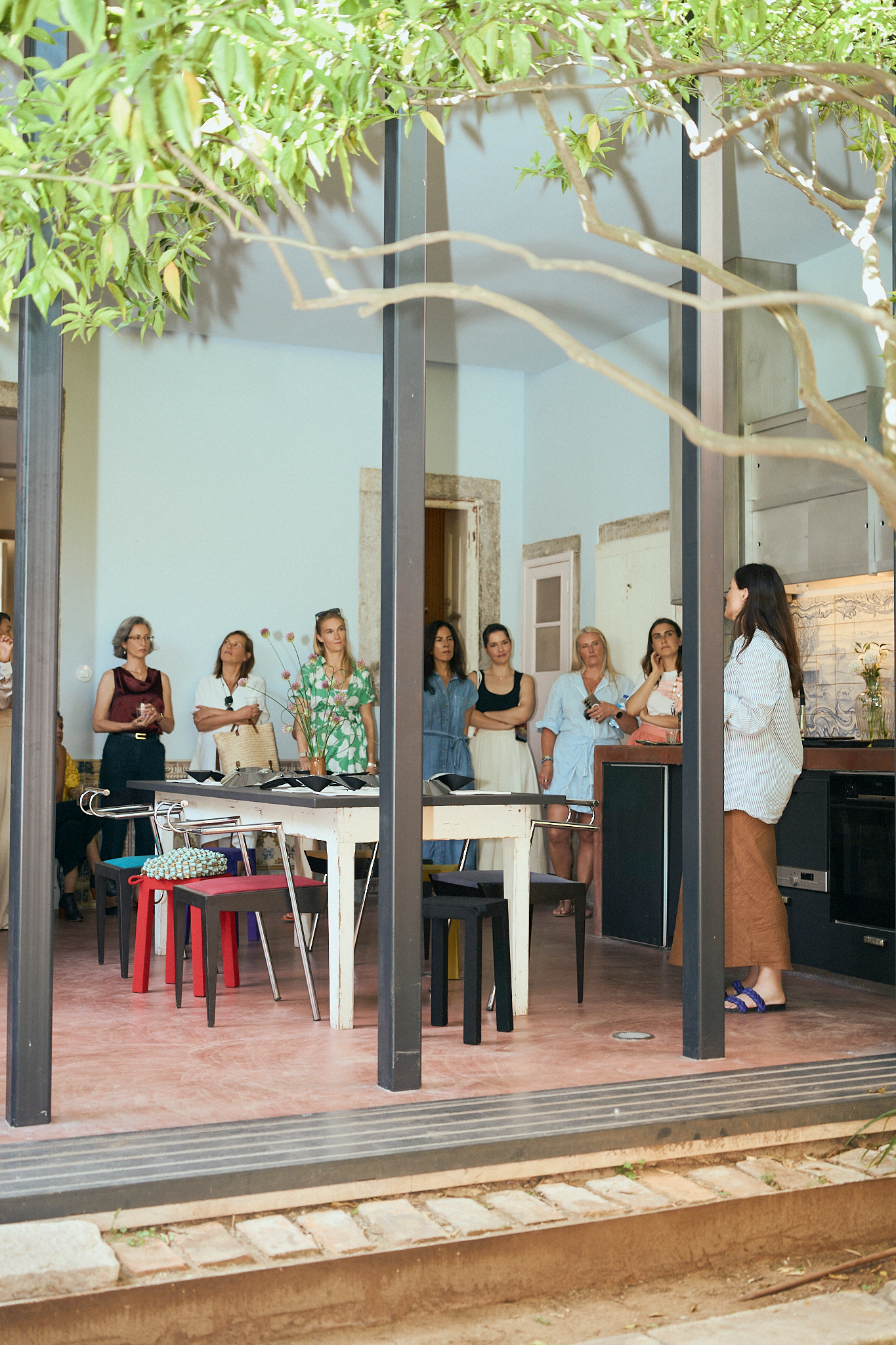
Something about the house, or the company, or the particular register of a farewell exhibition, made it hard to leave. Conversations that would have been polite anywhere else became specific.
We understood, standing on the terracotta terrace, why Victoire had chosen this format for her farewell. A house filled with friends and strangers, all paying quiet attention to work made carefully by people who cared. Something between a party and a viewing, which Lisbon does better than most cities and which still waits for a proper name in every language we speak.