
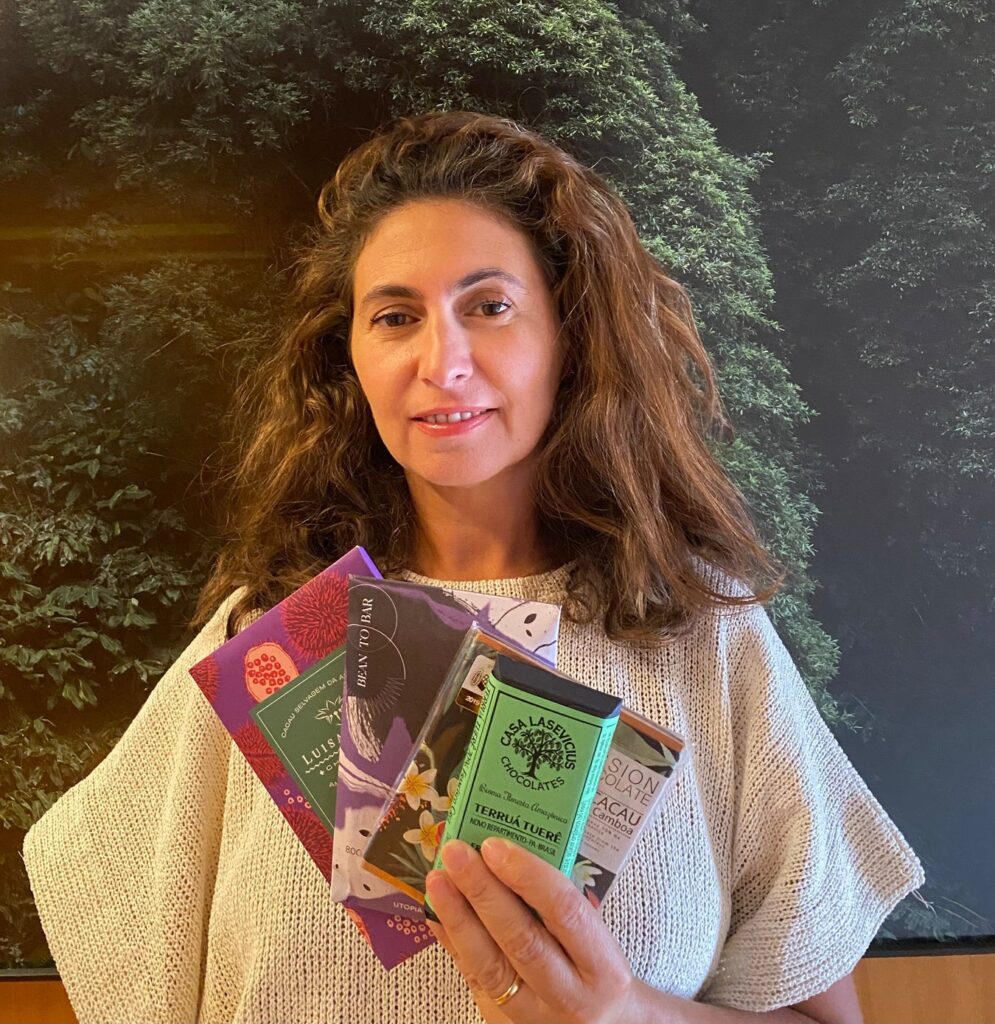
The Taste of Memory. Rosário Cunha of The Cacau Club
You’ve described cacao as something that has been with you your entire life. When you look back, what early memories or moments first awakened this deep connection?
When I look back, my connection to cacau feels almost woven into my childhood. I come from a true family of chocoholics. My grandmother always had chocolate at home — along with her incredible chocolate cakes. There was one in particular, her signature cake, rich and dark with a layer of homemade raspberry jam in the middle. That flavour is still etched in my memory. She would even bring white chocolate from Spain, and even as a child I could tell the difference between the white chocolate from Spain and Portugal, even when it was the same brand.
My father was no different; he couldn’t live without chocolate. In the late ’80s he used to receive a monthly box of chocolates from Geneva (basically a subscription long before I created The Cacau Club). I remember the anticipation of opening that box together and discovering what was inside. Later in life he had a cacau plantation in Príncipe, but back then I was more interested in buying fabrics at the local market or going to the beaches of Príncipe.
And honestly, chocolate was also a kind of lifeline for me. I had trouble eating when I was growing up; I didn’t enjoy food, and chocolate often became my main source of energy. So yes, I believe I can say cacau has been with me my whole life — not just as a flavour, but as comfort, connection, family, and eventually my passion and work.
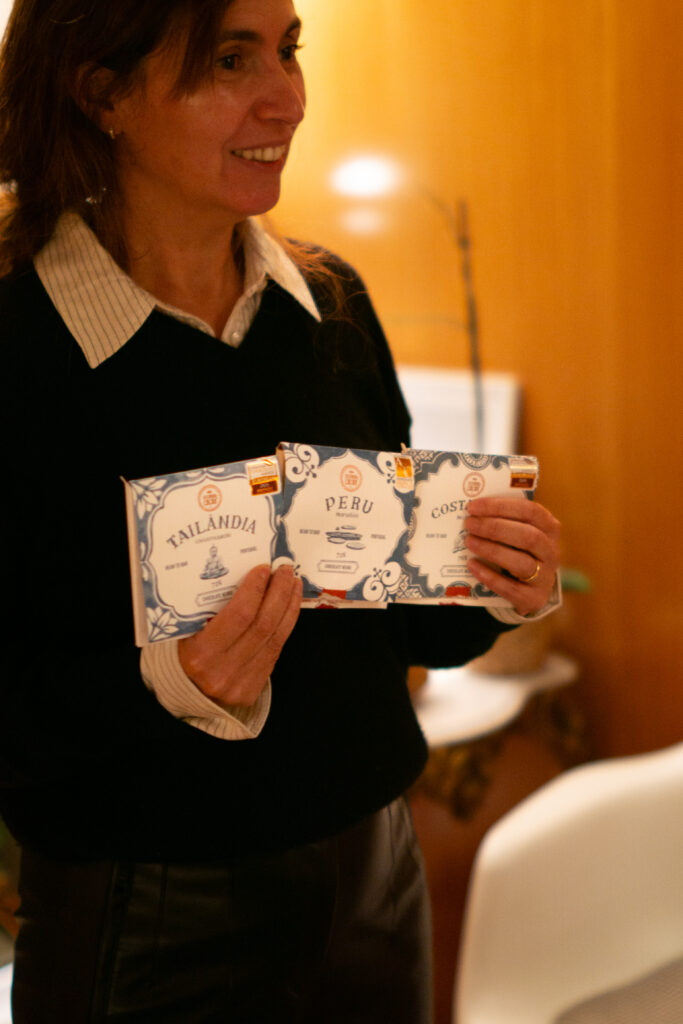
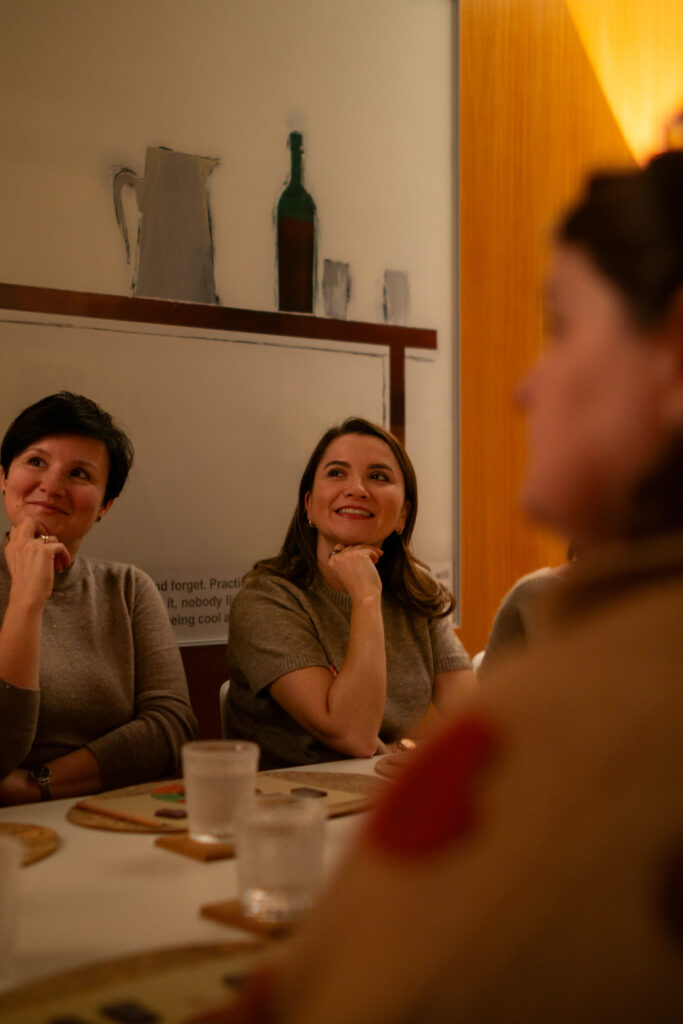
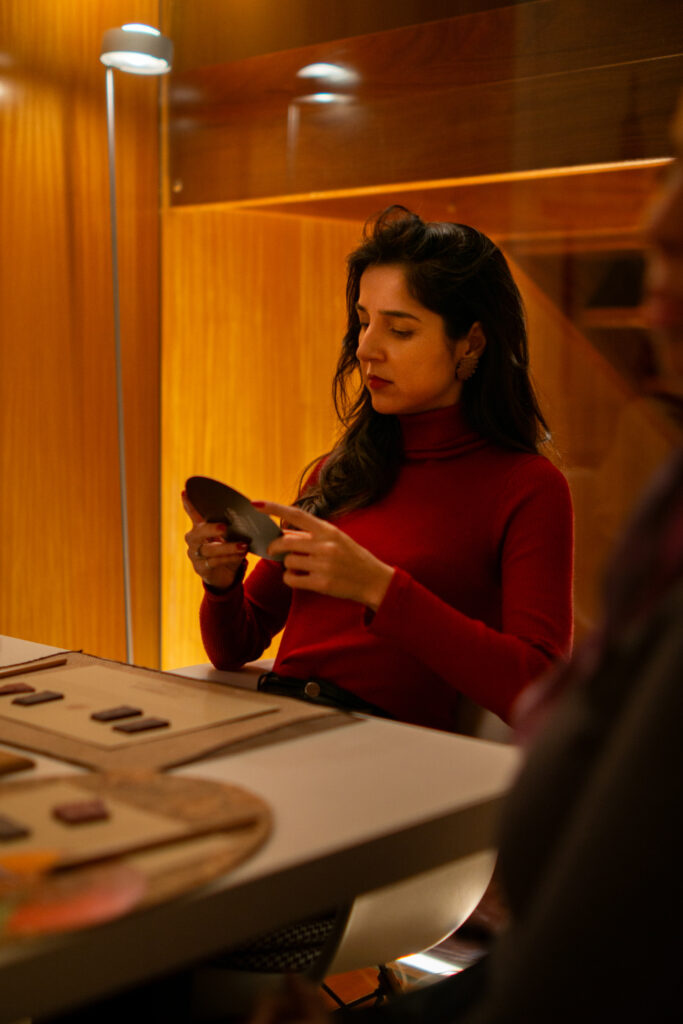
Before The Cacau Club, who was Rosário — and what were the passions, questions, or instincts that quietly shaped the woman you became?
Before The Cacau Club, I was Rosário — a girl who was curious, creative, and always seeking beauty and meaning in the things around her. My background is in Fashion; I studied Fashion Management and worked in Buying in London, which gave me a strong foundation in aesthetics, storytelling, and understanding how people connect with products. But above all, it taught me how important it is to have the right product, at the right price, in the right place, at the right time.
Everything shifted when I got pregnant, which coincided with our move from London to Madrid for my husband’s work. In Madrid, I became a full-time mum, but my curiosity never left me. I’ve always had a thirst for learning, so I began exploring different worlds: I studied Jewellery Design, learned flower arrangement, completed an MBA in Marketing for Luxury Products, and eventually discovered chocolate tasting.
When I found chocolate, something clicked. It became a passion that grew naturally and intensely — something I couldn’t ignore and still can’t today. All the skills from my previous career, combined with these new explorations, shaped the path to founding The Cacau Club. They also helped me step into leadership roles I’m incredibly proud of: President of Bean to Bar Portugal and Vice President of Bean to Bar Europe.
In many ways, the woman I became was shaped by curiosity, resilience, creativity, and an instinct to follow what feels authentic — even when it meant starting again.
When I found chocolate, something clicked. It became a passion that grew naturally and intensely — something I couldn’t ignore and still can’t today.
Chocolate is usually seen as pleasure, but for you it became purpose. What shifted internally or externally that made you realise cacao could become not just a passion, but your life’s work?
For most of my life chocolate was simply joy — a source of energy, comfort, pleasure, and memories. But the moment it became purpose was when I truly began to understand cacau: where it comes from, how it’s grown, and the extraordinary amount of craftsmanship and people behind a single bar.
As I studied chocolate tasting and began meeting makers, farmers, and experts, something changed internally. I realised that cacau wasn’t just a delicious product — it was a whole world of culture, agriculture, science, and human stories. The more I learned, the more I felt a responsibility to share this knowledge and to help elevate real chocolate and the people behind it.
Externally, I also saw how disconnected most consumers are from cacau. Many people love chocolate but know nothing about its origins or the challenges faced by the people growing it. That gap stirred something in me. I felt I could use my background — in fashion, buying, storytelling, and luxury marketing — to help bridge that gap, to create a platform that educates, inspires, and celebrates craft chocolate.
So the shift was both emotional and practical: the deeper I went into cacau, the more I felt that this wasn’t just a hobby anymore. It felt meaningful. It felt necessary. And it felt like something I could build a life around. That’s when cacao became not just pleasure, but purpose — and eventually my life’s work.
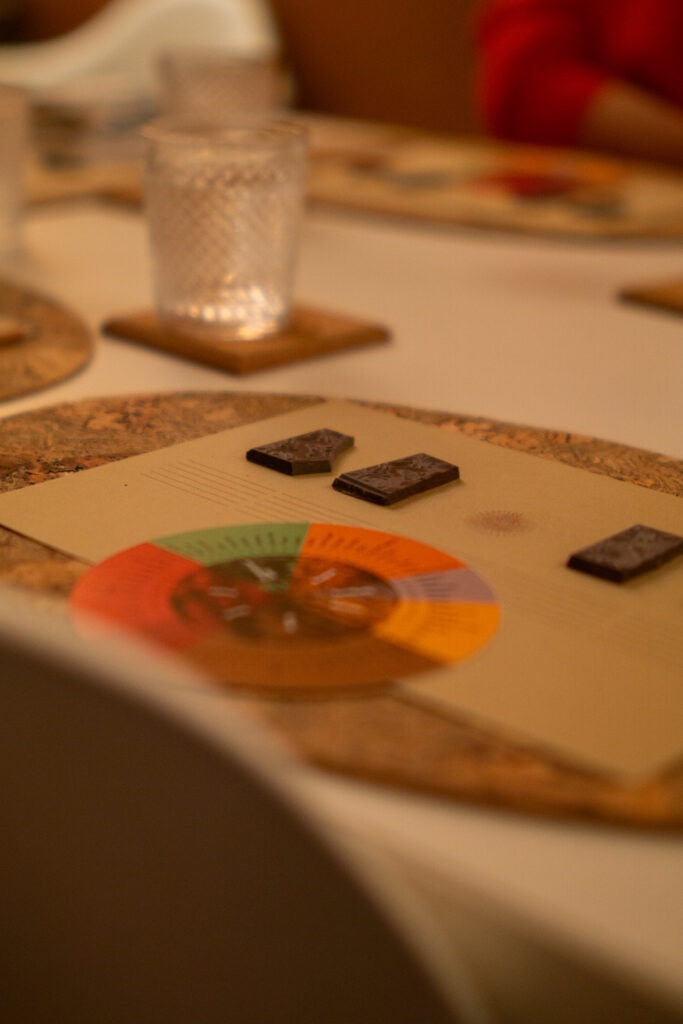
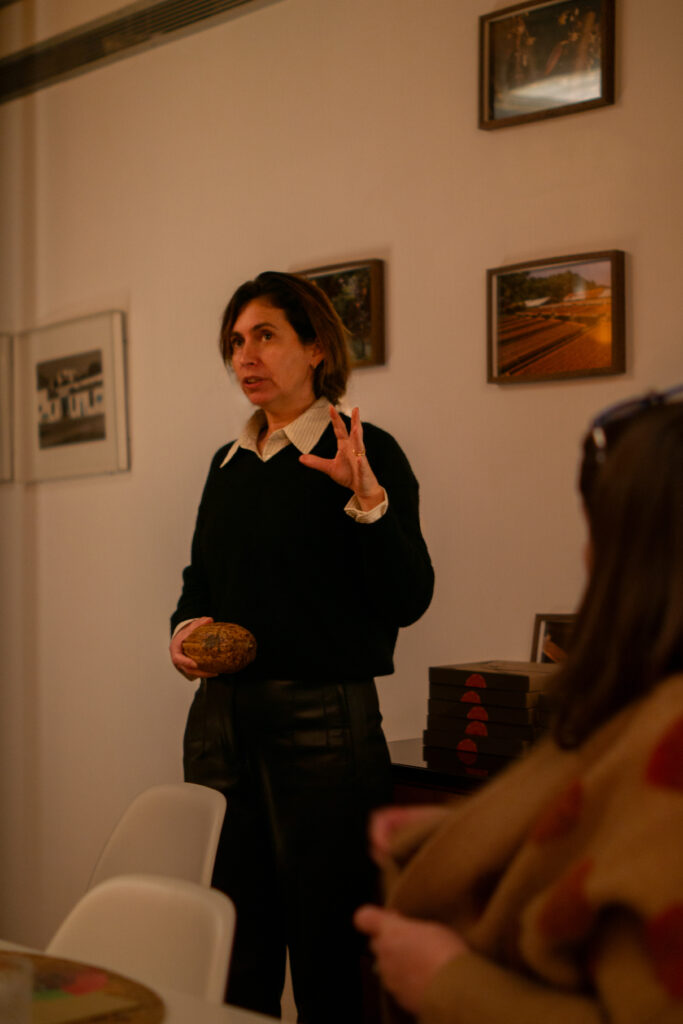
Crafting chocolate is both an art and a science. What does your creative process look like — from inspiration to flavour to the final sensory experience?
For me, the creative process begins long before any chocolate is tasted. Inspiration is everywhere. It starts with the story of the maker — who they are, how they work, what motivates them, and the relationship they have with the farmers and the land. Every chocolate carries the fingerprints of the people behind it, and that human element is often what sparks the initial idea or direction.
But inspiration also comes from the conversations and connections I make along the way, including people like you! Sometimes it’s a discussion, a question, a trip, a shared moment, or even a completely unrelated topic that suddenly becomes a thread I want to explore through flavour. Everything can be a source of inspiration if you stay open to it.
When I’m curating or designing a tasting or a box, I think in layers — the emotional arc, the contrasts, the way each flavour will unfold from the first aroma to the final notes. I’m always building a narrative that connects people not just to chocolate, but to the stories, the makers, and the world behind each bar.
The final sensory experience is where everything comes together — the craft, the science, the people, the memories. My goal is always the same: to create a moment where someone feels something new, where cacau becomes a story they can taste.
I’m always building a narrative that connects people not just to chocolate, but to the stories, the makers, and the world behind each bar.
Cacao carries history, culture, ritual, and emotion. How do these layers influence the way you work, create, and imagine the future of The Cacau Club?
Cacao is never just an ingredient — it’s a fruit that carries history, culture, ritual, and emotion, and all of these layers deeply influence the way I work and imagine the future of The Cacau Club.
When I work with chocolate, I’m always aware that cacau has been part of human stories for thousands of years. It has been medicine, currency, ritual, celebration, and connection. That heritage shapes the respect I bring to every bar I select and every experience I design. I see myself not just as a curator, but as a storyteller and a bridge between past traditions and modern craft.
Culturally, cacao is incredibly diverse. Each origin has its own identity, shaped by landscapes, communities, and ancestral knowledge. That cultural richness inspires me to highlight makers and farmers who honour these roots, and to share those stories with our members so they can feel part of something bigger than just tasting a chocolate bar.
The emotional side is equally important. Chocolate has the power to evoke comfort, nostalgia, curiosity, even transformation. I try to bring this emotional depth into The Cacau Club through tastings, conversations, and the selection of bars that speak not only to the palate but to the heart.
All these layers — history, culture, ritual, emotion — guide how I imagine the future of The Cacau Club. I want it to be more than a subscription; I want it to be a community, a learning platform, a place where people discover the beauty and complexity of cacau. A space that respects origins, elevates craft, connects people, and contributes to a more transparent and sustainable cacao world.
In many ways, the future I imagine is a continuation of cacau’s past: rooted in meaning, shaped by people, and shared with intention.
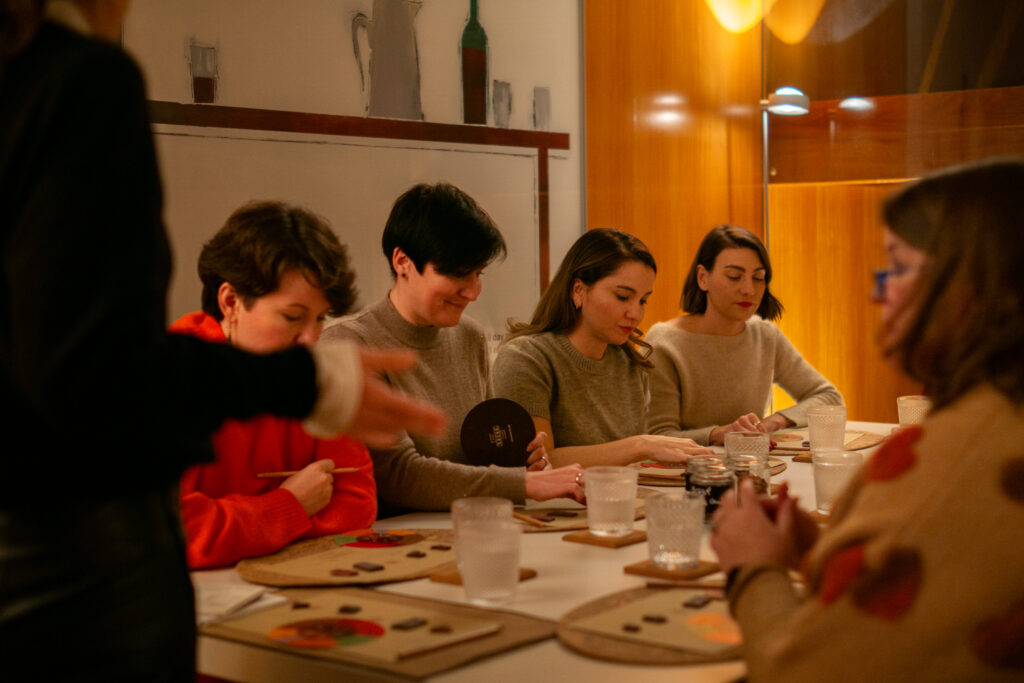
Entrepreneurship in a niche, artisanal field can be demanding. What have been the most defining or transformative moments from these past years of building your brand?
Building a brand in such a niche, artisanal field has been both challenging and deeply transformative. There have been many moments over the years that shaped me, not only as an entrepreneur, but as a human being.
One defining moment was realising that The Cacau Club was truly changing how people experience chocolate. I’ll never forget clients who told me — half-joking and half-serious — that I had “ruined their lives” because they could no longer enjoy a Milka or a Toblerone after discovering real bean-to-bar chocolate. Those comments made me smile, but they also showed me the impact that education and awareness can have.
Another transformational moment came through the relationships I built within the cacau world — with makers, farmers, and other chocolate obsessives. Visiting origins, sharing stories, and seeing the passion behind every step of the process grounded me and reminded me why this work matters.
Stepping into leadership roles such as President of Bean to Bar Portugal and Vice President of Bean to Bar Europe was also a turning point. It pushed me out of my comfort zone and into a space where I wasn’t just building a business, but helping build a community and an industry.
But entrepreneurship also has its quieter, harder moments. Starting a business where you have to be completely multitasked, wearing every hat from logistics to design to customer care, can be overwhelming. And sometimes, in those long days or moments of frustration, there isn’t anyone to share either the victories or the struggles with. Those moments taught me resilience, independence, and a deeper trust in my own intuition.
Entrepreneurship taught me resilience on the days when there was no one to share the wins or the struggles with.
How has your definition of success evolved since the moment you decided to turn your lifelong passion into a purpose-driven business?
My definition of success has changed a lot since I decided to turn a lifelong passion into a purpose-driven business. The funny thing is that I don’t really see The Cacau Club as “success” in the traditional sense — not because I’m not proud of it, but because my intention was never to build something to measure by milestones or numbers. My intention has always been, and still is, to keep learning, to stay curious, and to follow my passion for cacau wherever it leads.
Of course, I’m happy that The Cacau Club is growing and that people sometimes tell me they see it as a success. That recognition means a lot. But inside, I still feel that there is so much more to be done, to explore, so much more to build…
Success, for me, has become less about the endpoint and more about the journey — the people I meet, the origins I discover, the knowledge I gain, the community we are slowly creating. As long as I’m learning, evolving, and contributing to cacau in a meaningful way, I feel aligned. And maybe that’s become my new definition of success.
Working with cacao is deeply sensory. What has it taught you about presence, intuition, or trusting your inner knowing?
Working with cacau has taught me more about presence and intuition than almost anything else in my life. Because cacau is so deeply sensory, it forces you to slow down. You can’t truly taste or understand it if your mind is elsewhere. It invites you into the moment — to notice the subtle aromas, the shifts in flavour, the textures, the emotions that arise.
It has also helped me trust my intuition. With chocolate there is science, of course, but there’s also a moment where you have to rely on your inner knowing. Choosing a bar, creating a tasting, or deciding which story to share is often guided not just by analysis, but by instinct — by what feels true, meaningful, or exciting.
And cacau has this incredible way of connecting you to your own memories and culture. A flavour can suddenly take me back to my grandmother’s kitchen, to a childhood moment, or to a cultural tradition that shaped me. It reminds me that tasting isn’t passive — it’s emotional, personal, and deeply tied to who we are.
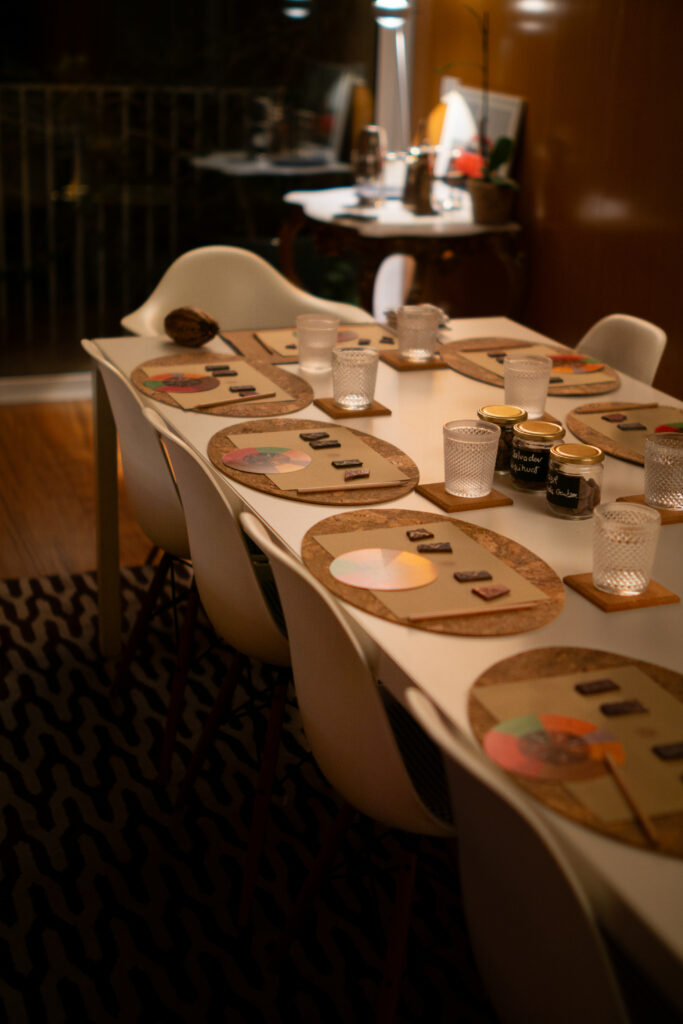

What advice would you give to the version of yourself who was still dreaming about chocolate, but hadn’t yet taken the first step?
I would tell her to trust herself more and to believe that her passion is not random. I would tell her that the curiosity she feels is already the first step, even if she doesn’t realise it yet.
That nothing has to be figured out before beginning. The path will unfold as cacau shows its magic. There will be challenges, moments of doubt, and times where she’ll feel completely alone in what she’s building — but there will also be growth, community, and a sense of purpose she never could have imagined.
And also: eat as much chocolate as you can.
Your work creates connection — to taste, memory, culture, and emotion. What do you hope people feel or remember after tasting something you’ve created?
What I hope people feel after tasting something I’ve created is a sense of connection — to themselves, to their memories, and to the wider world of cacau. I want them to pause, even for a moment, and truly feel what they’re tasting. Not just the flavours, but the story, the people, the culture behind it.
I hope they experience a little spark of curiosity — the desire to know where this cacau came from, who grew it, who crafted it, and why it tastes the way it does. And I hope they remember how a simple square of chocolate can hold so much history, emotion, and craftsmanship.
If they think of a childhood memory, a person they love, or a moment from their own culture, that makes me incredibly happy. Chocolate has this unique ability to transport us, and if something I curated or created brings someone back to a meaningful moment, then I feel I’ve done my job.